 en
en 中文简体
中文简体 русский
 Español
 Deutsch
 Polskie
 REQUEST A QUOTE

 Home / News / Industry News / Why Does Rotational Molding Outperform Other Methods for Industrial Parts?
 Why Does Rotational Molding Outperform Other Methods for Industrial Parts?
Content
- 1 Why Rotational Molding Outperforms Other Processes for Industrial Parts
- 2 Unmatched Durability and Impact Resistance
- 3 Design Flexibility and Stress-Free Parts
- 4 Cost Efficiency and Tooling Advantages
- 5 Performance Comparison: Rotomolding vs. Alternatives
- 6 LLDPE Benefits and Material Science
- 7 Rotomolding Process Flow
- 8 Frequently Asked Questions
Why Rotational Molding Outperforms Other Processes for Industrial Parts
Rotational molding, often called rotomolding, is a manufacturing process that uses heat and biaxial rotation to produce hollow, seamless plastic parts. Unlike injection molding or blow molding, this method creates stress-free parts with uniform wall thickness and exceptional durability. For industrial applications such as Water tank storage container mold and Automobile fuel tank Rotational mold, rotomolding delivers unmatched design flexibility and long-term reliability.
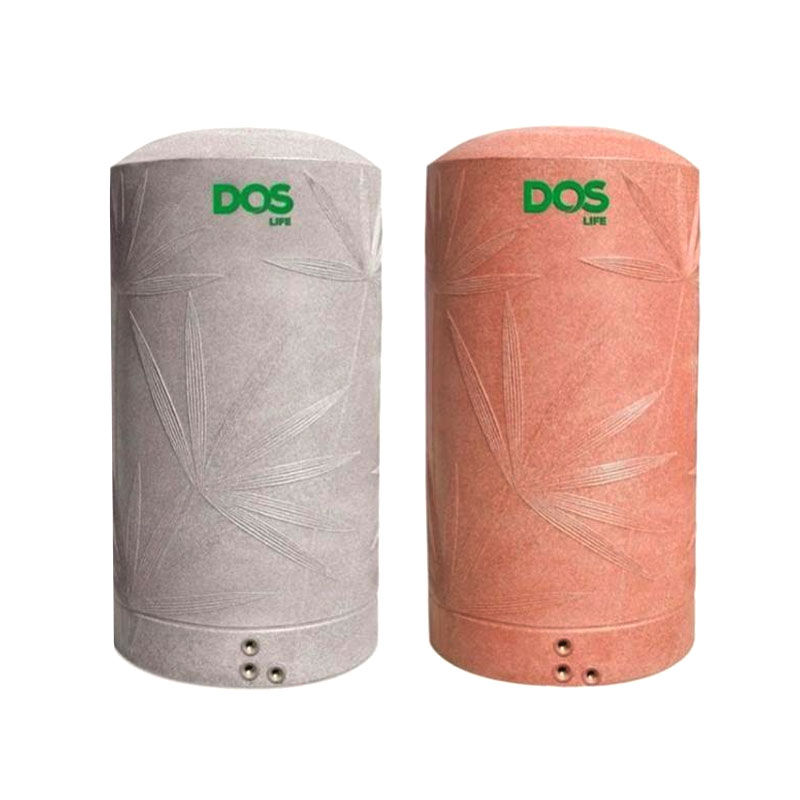
This article dives into the core advantages of rotomolding, backed by data and real-world application insights. From material thickness control to impact resistance, we explore why this process is the go-to solution for large, complex industrial components.
Unmatched Durability and Impact Resistance
Rotomolded parts are renowned for their toughness. The process produces parts with no weld lines or internal stresses, which are common weak points in other molding techniques. This results in impact resistance that is significantly higher than injection-molded counterparts. For instance, a 300-gallon water tank made via rotomolding can withstand a drop from 6 feet without cracking, whereas a similar blow-molded tank often fails at 4 feet.
This durability is largely due to the LLDPE benefits – linear low-density polyethylene offers excellent environmental stress crack resistance (ESCR) and maintains mechanical properties across a wide temperature range (-40°C to 80°C). For Automobile fuel tank Rotational mold applications, this means safe, long-lasting fuel storage.
Design Flexibility and Stress-Free Parts
Rotomolding enables complex geometries that are impossible with other processes. Undercuts, ribs, and varying wall thickness can be achieved in a single piece. Since the plastic is heated and cooled slowly, residual stresses are minimal, resulting in stress-free parts that resist warping or deformation over time.
Key Design Advantages
- Unlimited part size (from small covers to 20,000 L tanks)
- Wall thickness can be precisely controlled (typically 3–25 mm)
- Inserts, threads, and handles can be molded in
- Color and material can be tailored per application
Material Thickness Control
Unlike blow molding, rotomolding allows for exact thickness distribution, with a typical variation of ±5% across the part. This ensures that critical areas receive extra material for added strength, while non-critical zones remain lightweight.
Cost Efficiency and Tooling Advantages
One of the most compelling Molded plastic advantages is the cost-effectiveness of rotomolding tooling. Aluminum molds are significantly cheaper than steel injection molds, and lead times are shorter – often 8–10 weeks versus 20+ weeks for injection. This makes rotomolding ideal for low-to-medium volume production runs.
| Process | Tooling Cost (USD) | Lead Time | Part Size Limit |
|---|---|---|---|
| Rotomolding | $8,000 – $30,000 | 8–10 weeks | Very large |
| Injection Molding | $30,000 – $100,000+ | 16–24 weeks | Moderate |
| Blow Molding | $15,000 – $60,000 | 12–18 weeks | Medium |
For a Water tank storage container mold, the lower tooling investment allows for faster ROI, especially when production quantities range from 500 to 5,000 units per year.
Performance Comparison: Rotomolding vs. Alternatives
The radar chart below illustrates the performance of rotomolding against injection and blow molding across five critical categories. Rotomolding excels in design flexibility, stress resistance, and durability, making it the preferred choice for industrial parts that require high reliability.
LLDPE Benefits and Material Science
Linear low-density polyethylene (LLDPE) is the most common resin for rotomolding. Its unique molecular structure provides high tensile strength, excellent puncture resistance, and superior environmental stress crack resistance (ESCR). For industrial parts exposed to harsh chemicals or UV radiation, LLDPE outperforms HDPE and PP.
- ESCR: LLDPE resists cracking from detergents, acids, and fuels.
- UV Stability: With proper stabilization, parts last 20+ years outdoors.
- Processability: LLDPE has a wide processing window, forgiving for complex shapes.
Rotomolding Process Flow
The simplicity of the rotomolding process contributes to its reliability and cost-efficiency. The four key stages ensure uniform heating, coating, and cooling, resulting in stress-free parts with consistent material thickness.
Frequently Asked Questions
Q1: What makes rotational molding better for large water tanks?
Rotomolding produces one-piece, seamless tanks with no weak spots, ensuring long-term leak resistance. The process allows for thick corners and uniform walls, which is critical for large Water tank storage container mold applications.
Q2: Can rotomolding produce automotive fuel tanks with complex shapes?
Yes. The process is ideal for Automobile fuel tank Rotational mold because it can mold undercuts, baffles, and mounting points in a single step, reducing assembly costs and improving safety.
Q3: How does LLDPE improve part durability?
LLDPE offers excellent resistance to impact, chemicals, and environmental stress cracking. These LLDPE benefits ensure that rotomolded parts maintain their structural integrity in demanding industrial environments.
Q4: Is rotomolding cost-effective for low volume production?
Absolutely. Tooling costs are significantly lower than injection molding, and the process does not require high-pressure clamping. This makes rotomolding the most economical choice for quantities from 100 to 5,000 units.

We provide customers with one-stop services ranging from product design, mold manufacturing to finished product production.
-
 +86-18006248936
 -
 ricky.t@zhroto.com
 -
 No.9 Jiangyuan Road, Luotang Street, Jiangyan District, Taizhou City,Jiangsu Province, China
Copyright © Jiangsu Zhroto Mould Co., Ltd. Rights Reserved.Custom Rotational Plastic Molding Factory
