
 en
en 中文简体
中文简体 русский
 Español
 Deutsch
 Polskie
 REQUEST A QUOTE


Designing large rotational molding mold for flower pots
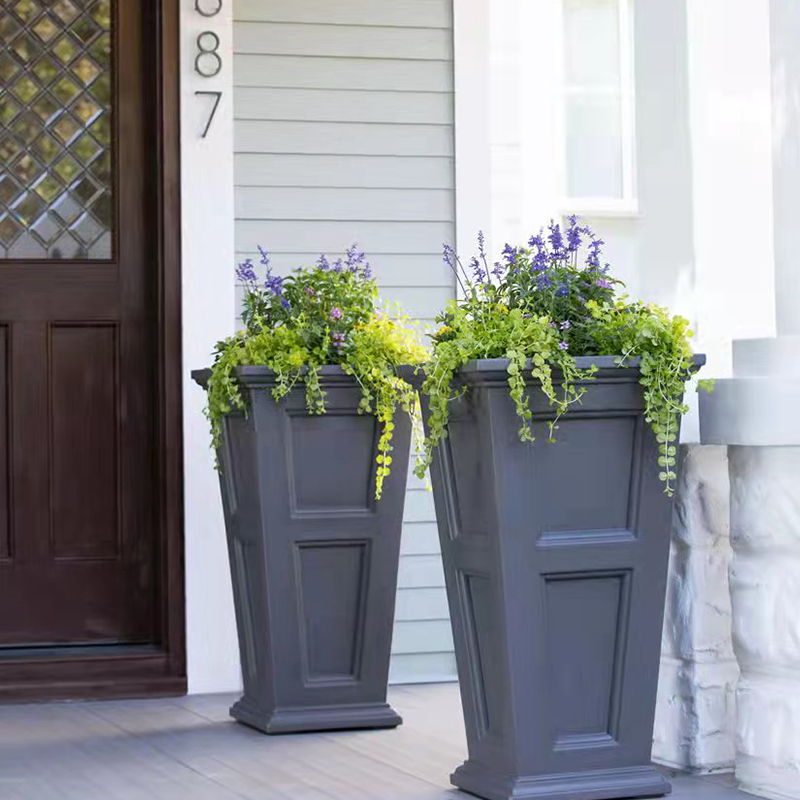
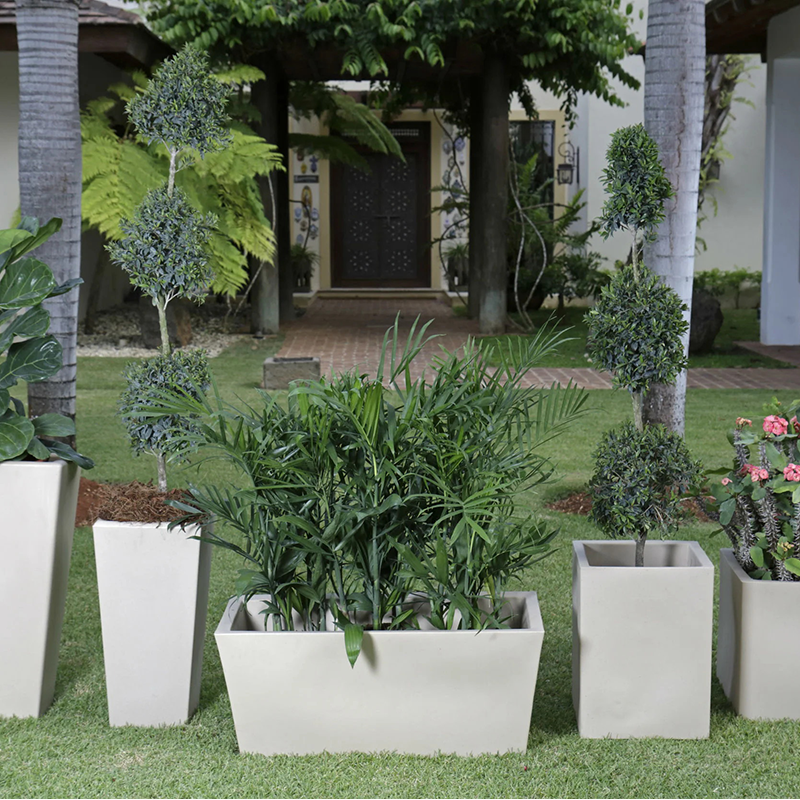
Large plastic flower pots are increasingly used in commercial landscaping, public spaces, hotels, residential developments, garden centers, and architectural projects. Their size creates special requirements for mold design because a large container must remain dimensionally stable while maintaining consistent wall thickness and reliable structural performance. A well-designed large rotational molding mold for flower pots provides the foundation for producing seamless hollow containers with durable surfaces, weather resistance, and long service life. Rotational molding is particularly suitable for this purpose because it can form large, complex, hollow products without conventional seams or weld lines.
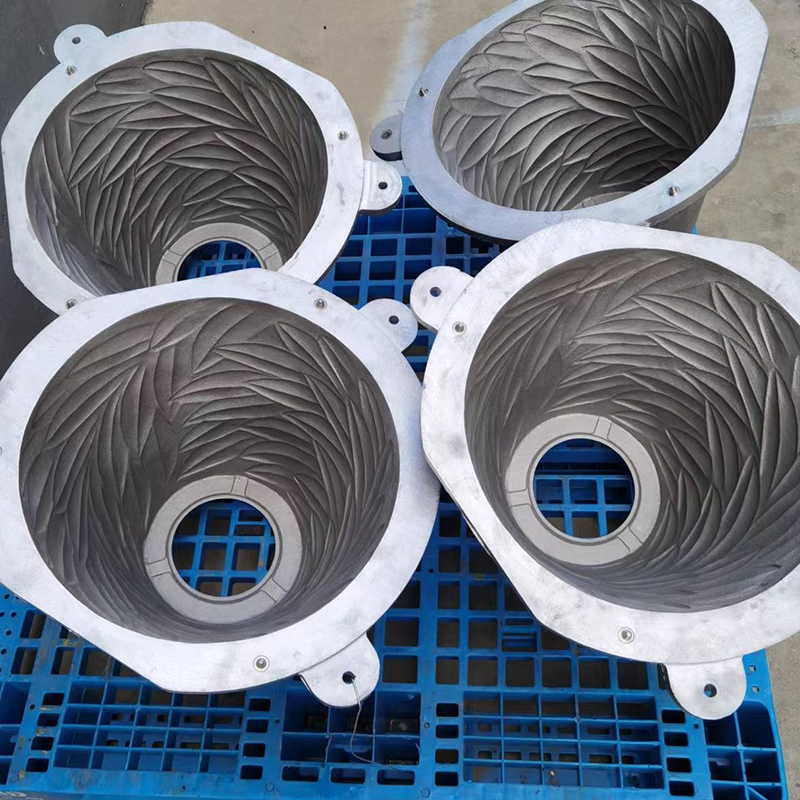
The design objective is not simply to enlarge a conventional flower pot mold. Mold geometry, material distribution, heating behavior, demolding access, reinforcement features, and production equipment must be considered together. For manufacturers seeking extra large planter tooling, the mold must support repeatable production while accommodating the weight and dimensional requirements of oversized containers. This is also where professional engineering becomes important, because the final product must balance appearance, rigidity, manufacturability, and production efficiency.
Large Decorative Flower Pot Molds
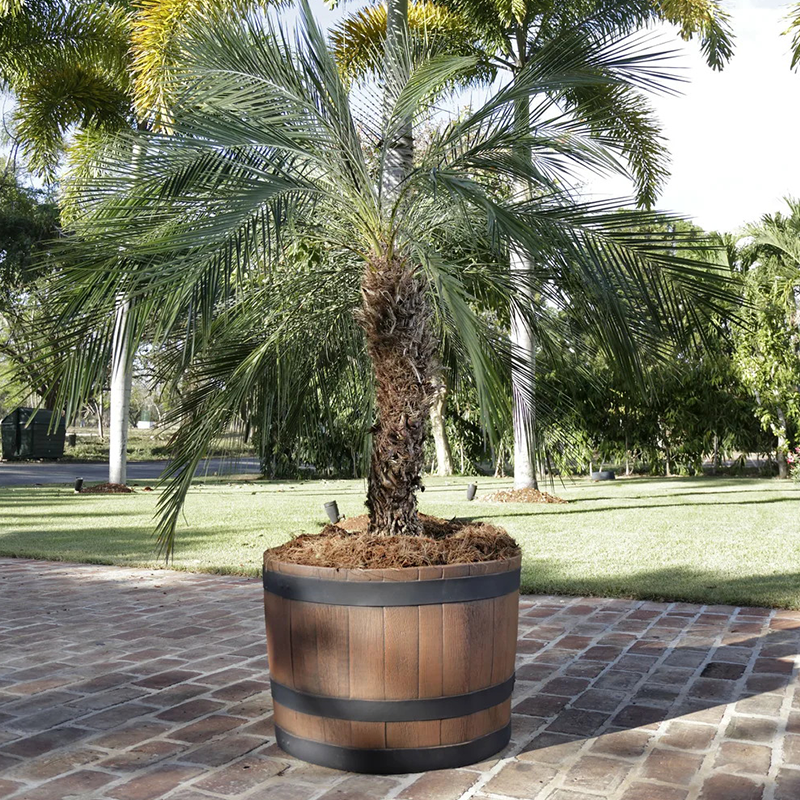
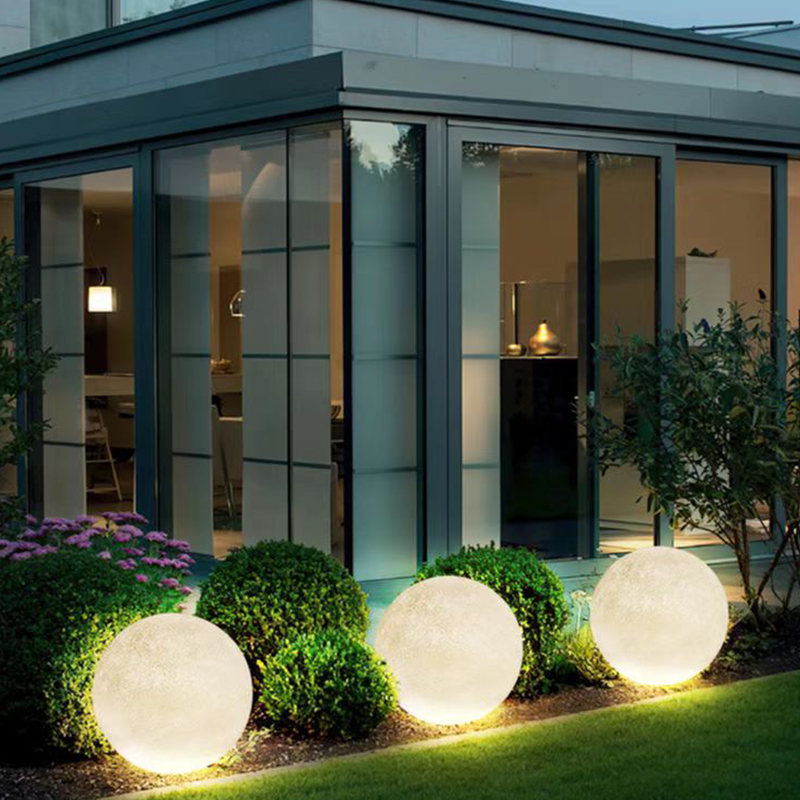
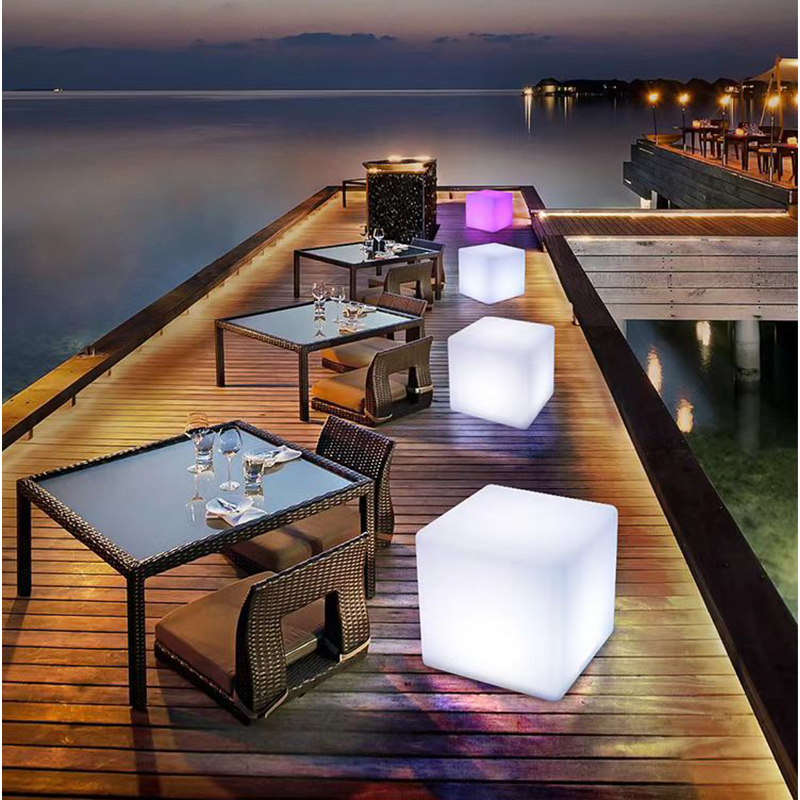
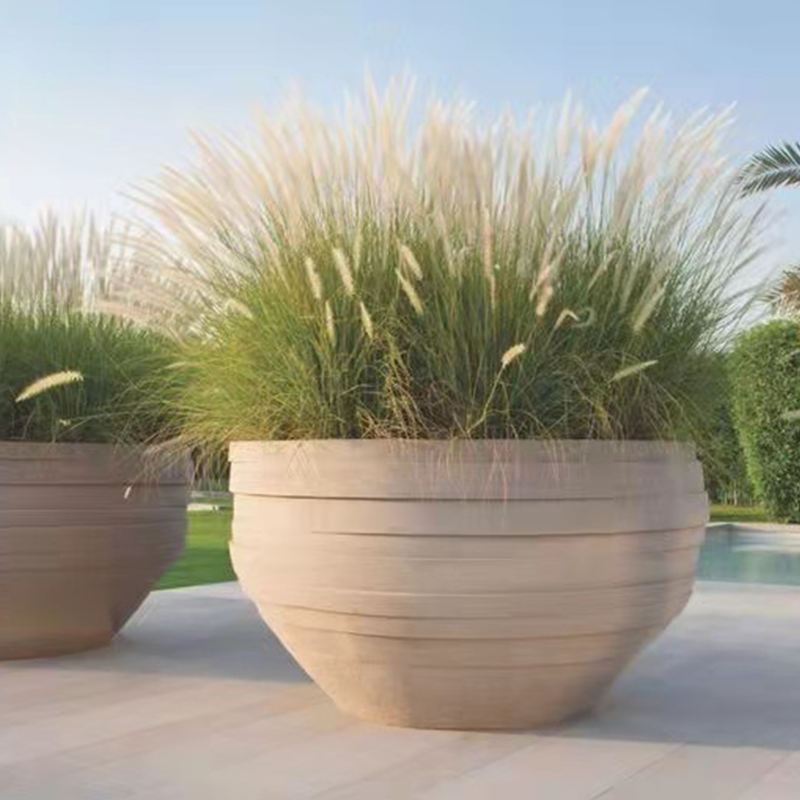
The first category is the large decorative flower pot mold, designed primarily for landscaping projects where appearance is as important as structural performance. These molds typically feature smooth or textured exterior surfaces, carefully controlled curves, broad rims, and stable bases. A large rotational molding mold for flower pots in this category must reproduce decorative details consistently while allowing polyethylene material to distribute evenly across curved surfaces. The hollow construction keeps the finished planter relatively manageable compared with a solid equivalent, while the seamless structure reduces visible joining points.
Typical applications include hotel entrances, shopping areas, office developments, public gardens, pedestrian zones, and residential landscaping. Designers may request tapered bodies, rounded corners, geometric patterns, or custom surface textures. The mold therefore needs sufficient rigidity to preserve dimensional accuracy during repeated heating and cooling cycles. Proper corner transitions are especially important because abrupt geometry can affect material distribution and create weak areas.
- Suitable for decorative landscaping and architectural projects.
- Supports customized exterior profiles, textures, and rim designs.
- Produces seamless hollow containers with consistent surface quality.
- Can be adapted for different planter dimensions and production volumes.
For this category, architectural landscaping plastic mold capability is valuable because visual consistency must be maintained from the first sample through mass production. Professional mold engineering can also optimize draft areas, parting arrangements, and access points so that decorative forms can be released efficiently without damaging the finished surface.
Extra Large Commercial Planter Tooling
The second category focuses on oversized planters for commercial and municipal use. Extra large planter tooling is designed for products that may hold substantial volumes of soil and plants and therefore require stronger walls, reinforced bases, and reliable dimensional stability. Compared with decorative planters, this category places greater emphasis on load-bearing performance and long-term outdoor exposure. A properly engineered mold must maintain consistent geometry across large surfaces while supporting repeatable production cycles.
Applications include streetscape projects, public parks, commercial plazas, transportation areas, resorts, and large garden installations. Because these containers are exposed to sunlight, rain, temperature changes, impact, and frequent handling, material selection and mold construction need to work together. The large rotational molding mold for flower pots should provide a stable cavity shape and promote uniform material coverage, especially around the bottom, corners, rim, and transition areas.
The major advantage of rotational molding in this category is its ability to manufacture large hollow products with integrated geometry. Handles, mounting areas, drainage features, and reinforcement structures can be incorporated into the overall design when appropriate. This approach supports commercial garden container manufacturing by reducing assembly requirements and improving product consistency.
| Product Category | Primary Focus | Typical Application | Main Design Priority |
| Decorative Planter Mold | Appearance | Hotels, plazas, gardens | Surface quality and geometry |
| Extra Large Commercial Tooling | Strength | Municipal and commercial landscaping | Structural stability and durability |
| Architectural Custom Mold | Customization | Special architectural projects | Complex geometry and repeatability |
Architectural and Custom Flower Pot Molds
The third category is architectural and customized tooling for projects that require unusual proportions, distinctive profiles, or integrated design elements. An architectural landscaping plastic mold can be developed around a product concept, engineering drawing, or existing prototype. Unlike standard commercial planters, customized products may include asymmetrical bodies, deep textures, unusual openings, or special installation interfaces. These features make engineering review essential before mold fabrication begins.
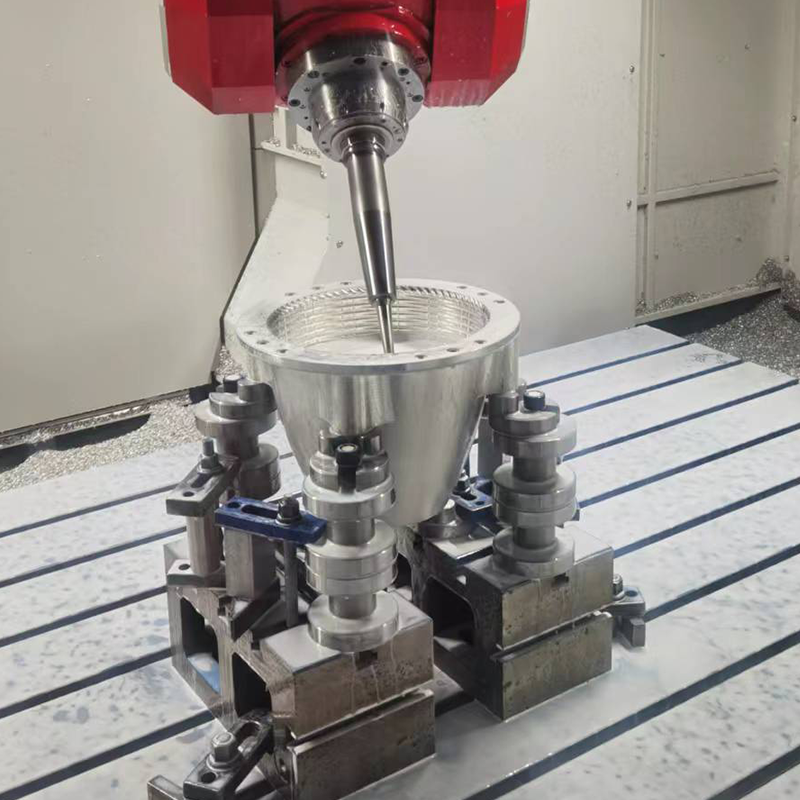
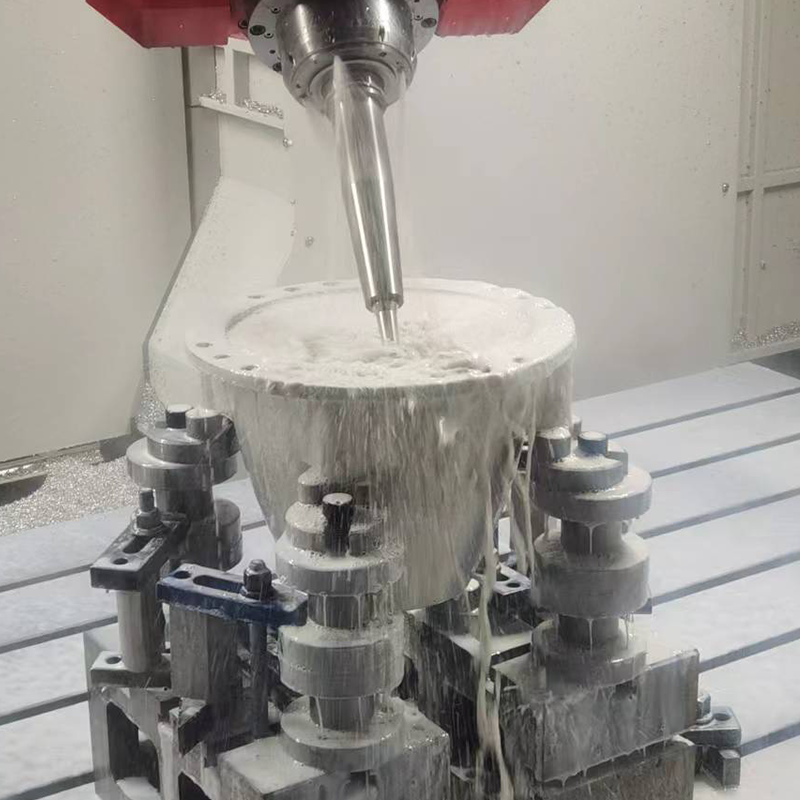
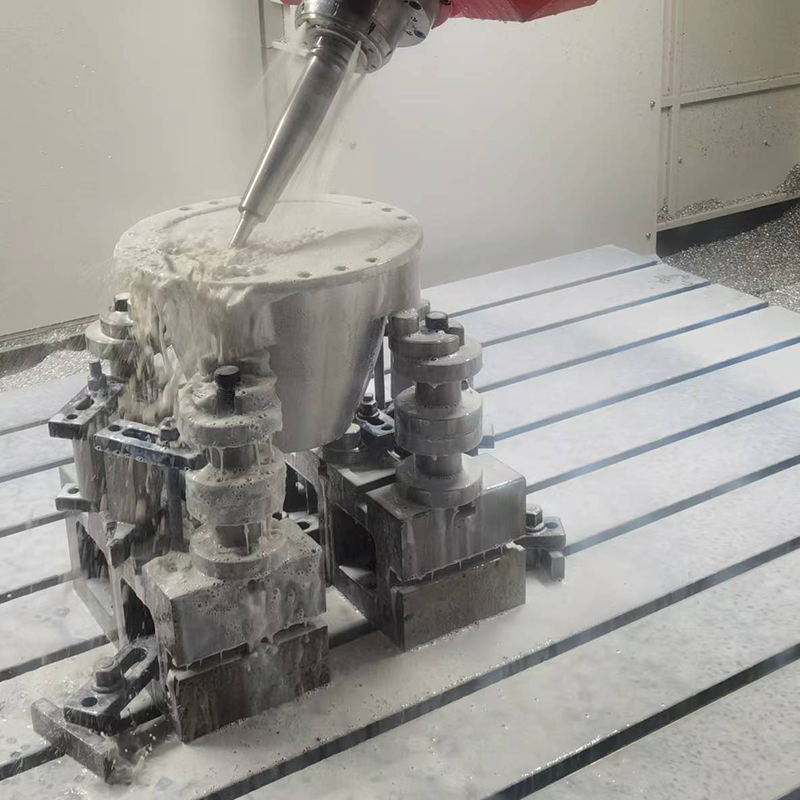
In this category, commercial garden container manufacturing can be combined with custom product development. The mold designer evaluates the product dimensions, intended application, structural requirements, material distribution, and available rotational molding equipment. Three-dimensional CAD modeling helps identify difficult transitions and potential manufacturing issues before CNC machining starts. The resulting large rotational molding mold for flower pots can therefore be optimized for both appearance and production reliability rather than being designed only from an aesthetic perspective.
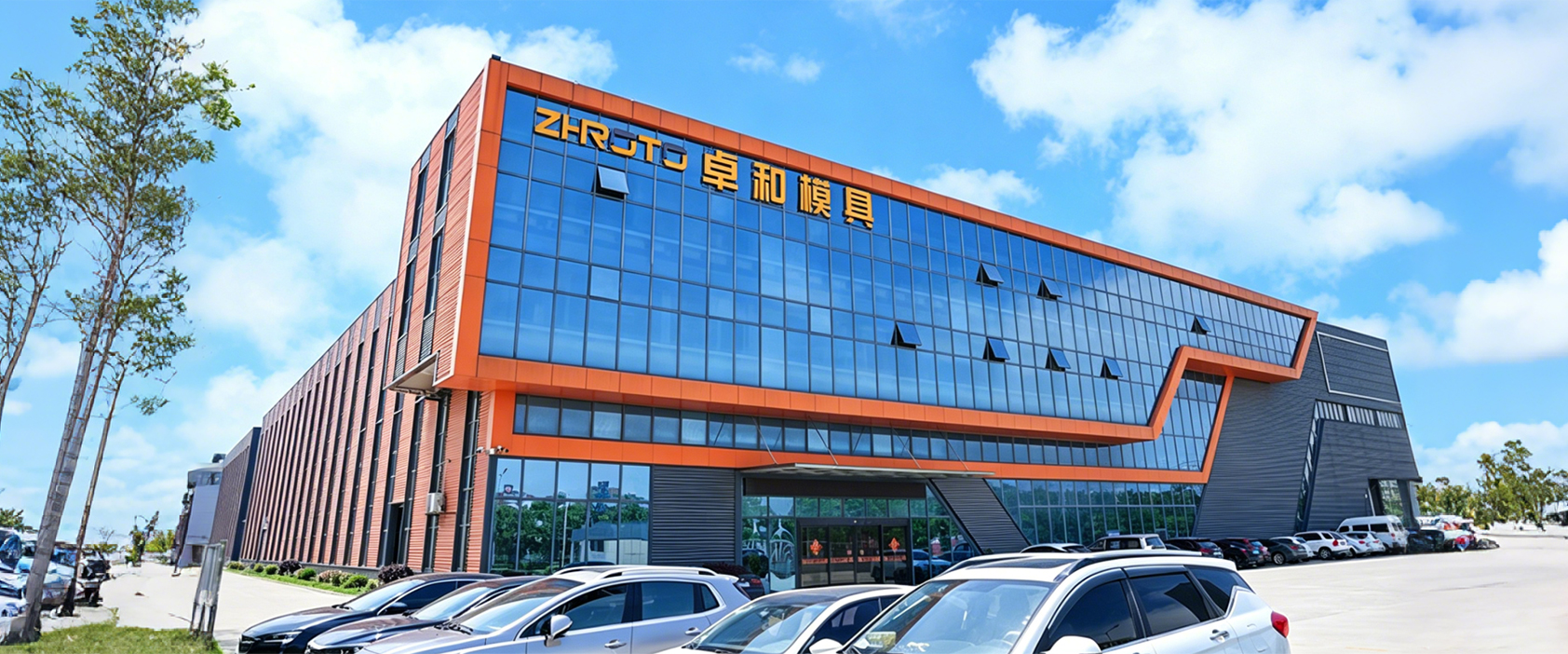
Jiangsu Zhroto Mould Co., Ltd., founded in 2015, specializes in rotational molding mold design, mold manufacturing, rotomolded product processing, and integrated technical solutions. Its modern facility in Jiangyan District, Taizhou City, includes standardized production workshops and supports large-scale mold machining. The company provides project evaluation, product design optimization, 3D modeling, mold manufacturing, trial validation, inspection, delivery, and production support.
Engineering Factors That Shape Mold Performance
A successful mold development project starts with product requirements rather than machining alone. Large flower pots require attention to wall distribution, corner transitions, rim geometry, base stability, drainage openings, and demolding access. The tooling structure must also be compatible with the heating method used by the customer. Conventional gas-heated equipment remains widely applicable, while electric-heated rotational molding systems require more precise consideration of temperature control and thermal performance.
- Review the product concept, dimensions, structure, application, and production requirements.
- Optimize product geometry for rotational molding and material distribution.
- Develop detailed CAD models and confirm the mold structure.
- Manufacture the mold through precision machining and suitable fabrication processes.
- Conduct mold trials, inspect samples, and validate dimensional and surface quality.
- Provide production guidance, maintenance advice, and continuing technical support.
Jiangsu Zhroto Mould Co., Ltd. produces more than 800 sets of molds annually and has experience with large-scale curved-surface machining. Its capabilities cover conventional gas-heated molds as well as electric-heated rotational molding molds. Since 2023, the company has invested in electric-heating technology offering more precise temperature management, independent heating zones, and improved process control. These capabilities can be particularly useful when developing large tooling where thermal consistency influences final product quality.
Manufacturing Quality and Long-Term Mold Value
Mold quality directly affects the consistency of finished flower pots. Accurate machining, stable construction, appropriate mold materials, and controlled trial procedures help reduce dimensional variation and surface defects. For extra large planter tooling, these considerations become even more important because large surfaces can amplify small design or processing inconsistencies. A reliable mold should support repeated production without unnecessary adjustment or premature deterioration.
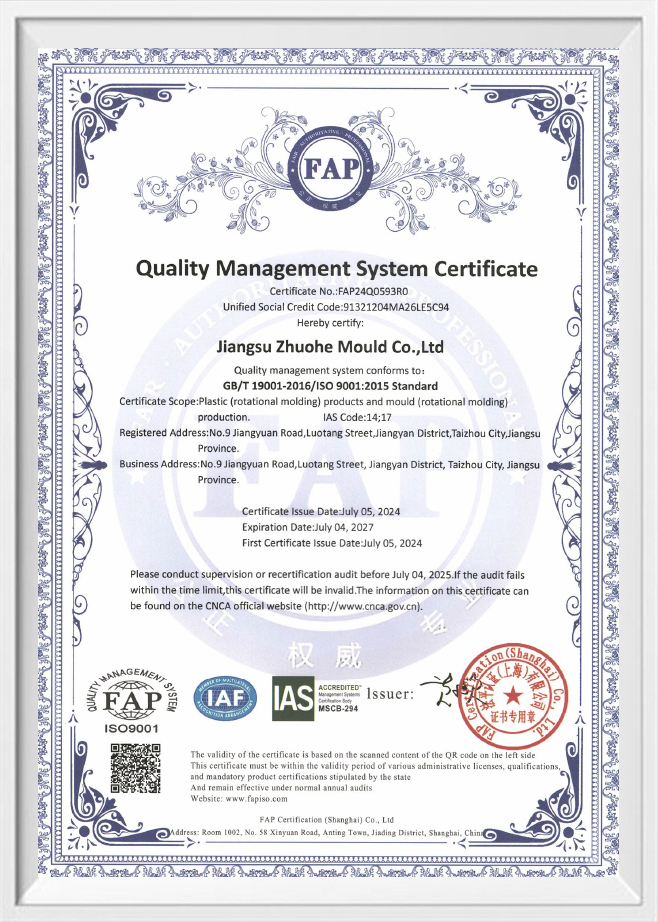
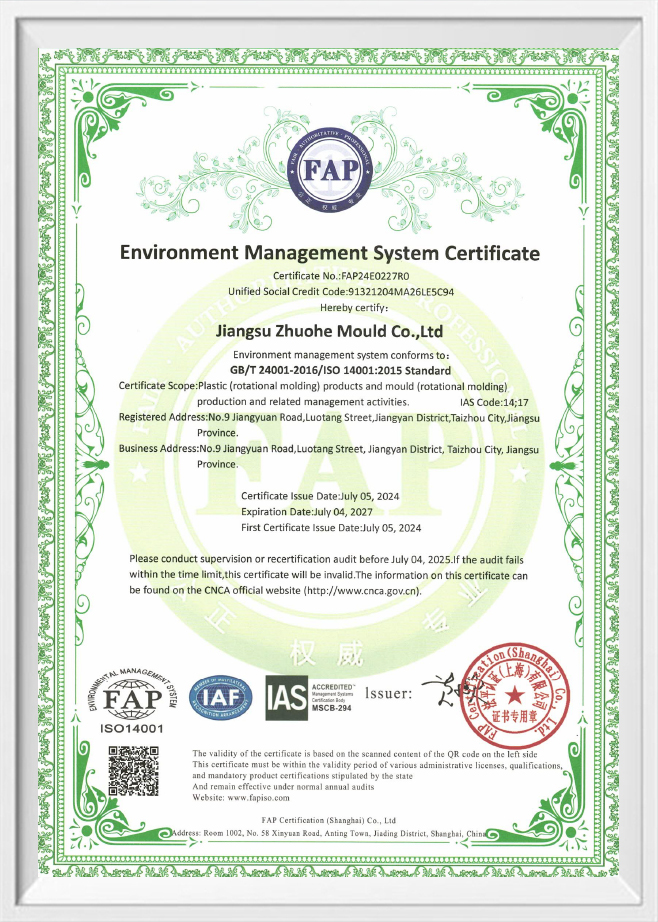
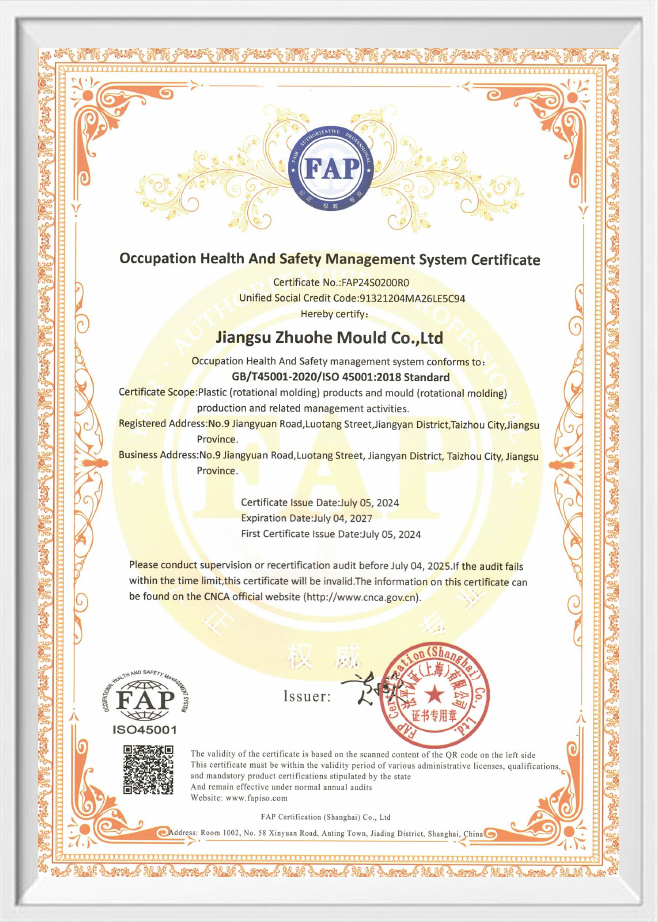
Jiangsu Zhroto Mould Co., Ltd. operates under ISO 9001:2015, ISO 14001:2015, and ISO 45001:2015 management system certifications. Its workflow integrates engineering review, precision manufacturing, sample validation, quality inspection, mold acceptance, and technical support. For customers requiring commercial garden container manufacturing, this integrated approach can simplify communication between product development and mold production.
Ultimately, architectural landscaping plastic mold design should be treated as an engineering process rather than a simple cavity-making task. The most effective tooling combines attractive geometry, stable wall distribution, efficient heating behavior, practical demolding, and dependable production repeatability. With the right design approach, large rotationally molded flower pots can meet the demands of commercial landscaping while providing durability and consistent visual quality.
Frequently Asked Questions
Q1: What makes a large rotational molding mold for flower pots different from a standard planter mold?
Large tooling must address greater surface area, structural stability, thermal behavior, handling requirements, and dimensional consistency. The mold design must also support uniform material distribution throughout the larger cavity.
Q2: When is extra large planter tooling most appropriate?
It is appropriate for oversized planters used in municipal landscaping, commercial developments, public gardens, resorts, and architectural projects where high durability and large dimensions are required.
Q3: Can an architectural landscaping plastic mold be customized from a product concept?
Yes. A professional mold manufacturer can evaluate a concept, drawing, or new product requirement and develop a 3D engineering solution before precision mold manufacturing begins.
Q4: What services can Jiangsu Zhroto Mould Co., Ltd. provide for flower pot tooling?
The company provides project evaluation, product optimization, CAD modeling, mold design, precision manufacturing, material and process recommendations, trial validation, quality inspection, delivery, production support, and mold maintenance advice.
Q5: Can the tooling work with electric-heated rotational molding machines?
Yes. The company develops both conventional gas-heated and electric-heated rotational molding solutions, with electric-heated tooling requiring particular attention to thermal performance and zoned temperature control.
 +86-18006248936
  ricky.t@zhroto.com
  No.9 Jiangyuan Road, Luotang Street, Jiangyan District, Taizhou City,Jiangsu Province, China