
 en
en 中文简体
中文简体 русский
 Español
 Deutsch
 Polskie
 REQUEST A QUOTE


How electrically heated rotational molding mold improves energy efficiency
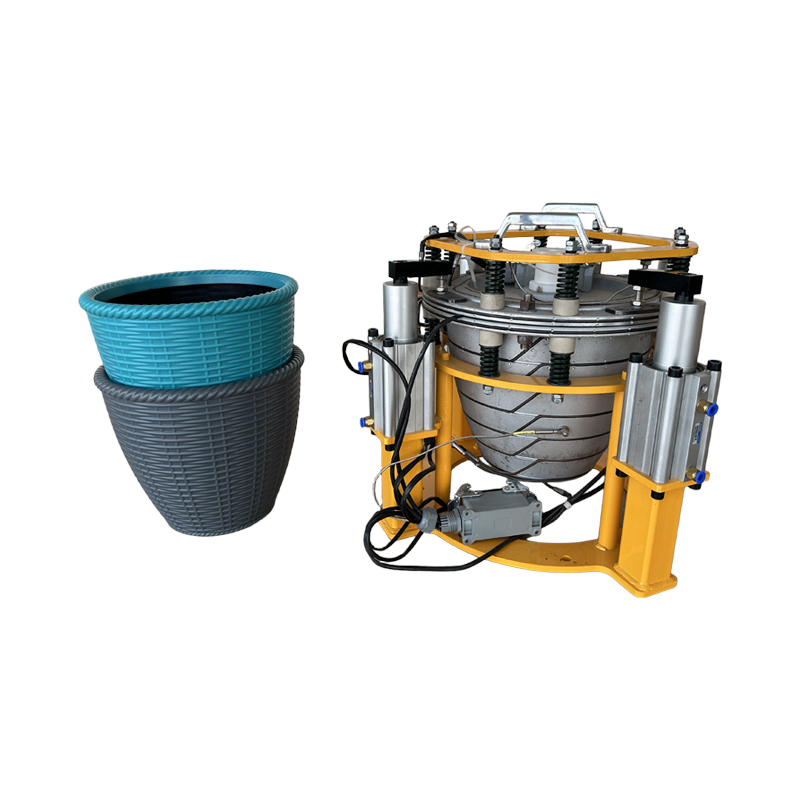
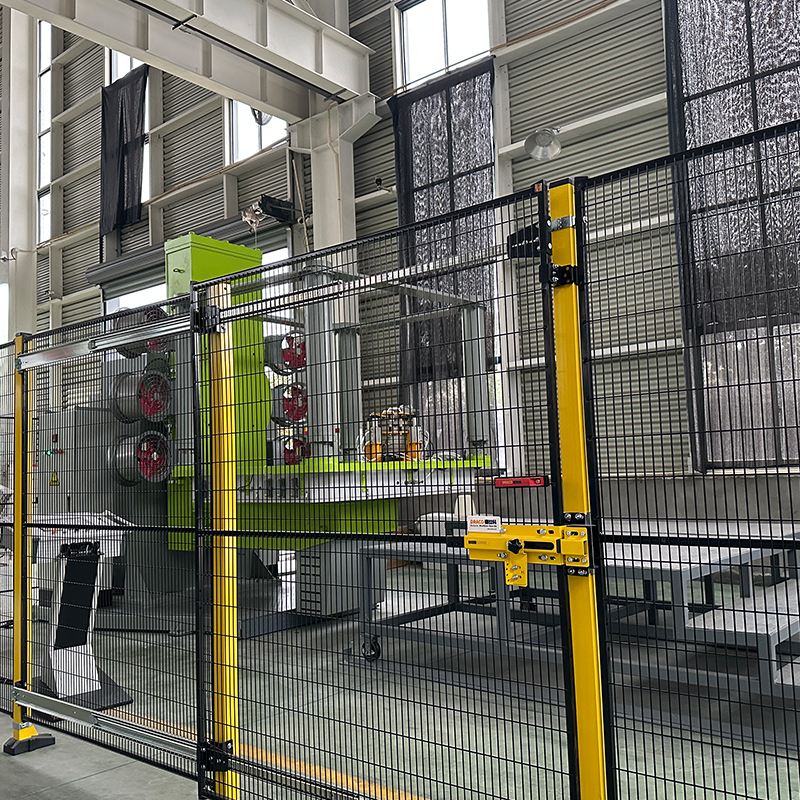
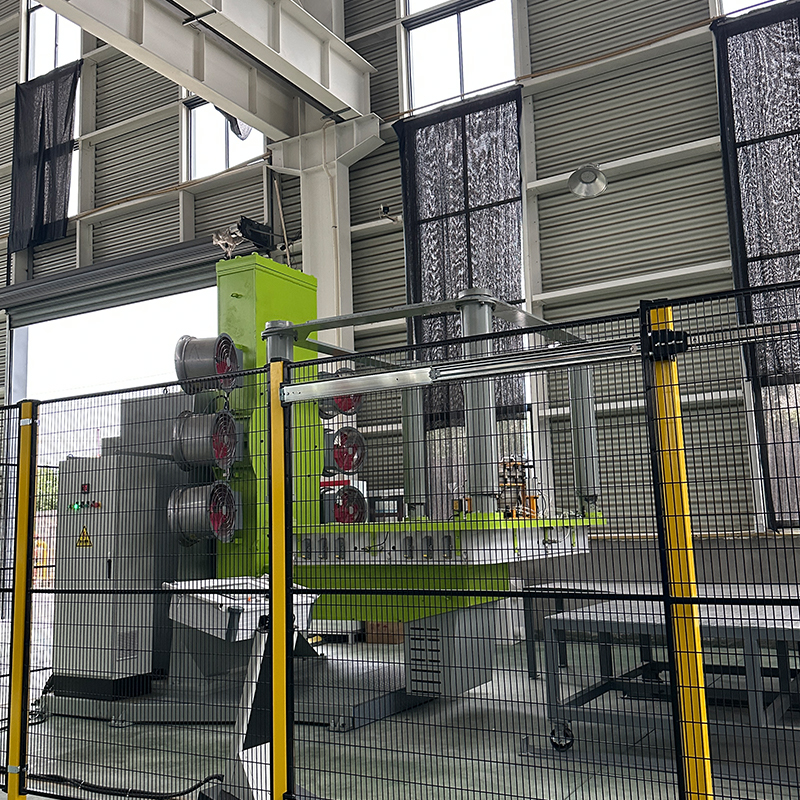
Energy efficiency has become an important consideration in rotational molding because heating represents a major part of the production cycle. Conventional systems often depend on external ovens or gas-based heating, which can create heat loss between the energy source and mold surface. An electrically heated rotational molding mold takes a different approach by integrating electric heating elements directly into the mold structure. This configuration delivers heat closer to the molding surface, supports more stable thermal conditions, and provides better control over the heating process. The result is a cleaner and more controllable production method for manufacturers producing large hollow plastic components.
The development of electric heating rotomold technology also changes how mold engineers approach thermal design. Rather than treating the mold as a passive cavity placed inside an external heating environment, the mold becomes an active thermal component. Heating zones, conductive mold materials, cavity geometry, and reinforced structures can work together to improve energy utilization. For manufacturers focused on energy efficient plastic molding, this integrated approach can reduce unnecessary heat loss while improving product consistency.
1. Integrated Electric-Heated Rotomolding Molds
Integrated electric-heated molds are designed with heating elements distributed within or closely connected to the mold structure. Their primary purpose is to transfer thermal energy directly and uniformly to the mold cavity during rotation. This differs from conventional gas-heated equipment, where heat must travel through the surrounding air and mold surface before reaching the polymer material. The electrically heated rotational molding mold therefore provides a more direct heating path and can reduce heat escaping into the production environment.
A major technical feature is the use of high thermal conductivity mold materials combined with carefully positioned electric heating elements. Uniform distribution helps prevent localized hot areas and cold areas, which can otherwise contribute to uneven melting and inconsistent wall thickness. Integrated systems are especially valuable for large water tanks, chemical storage tanks, industrial bins, and other hollow products where thermal uniformity is essential. Electric heating rotomold technology also eliminates combustion gases from the heating process, creating a cleaner operating environment and simplifying thermal management.
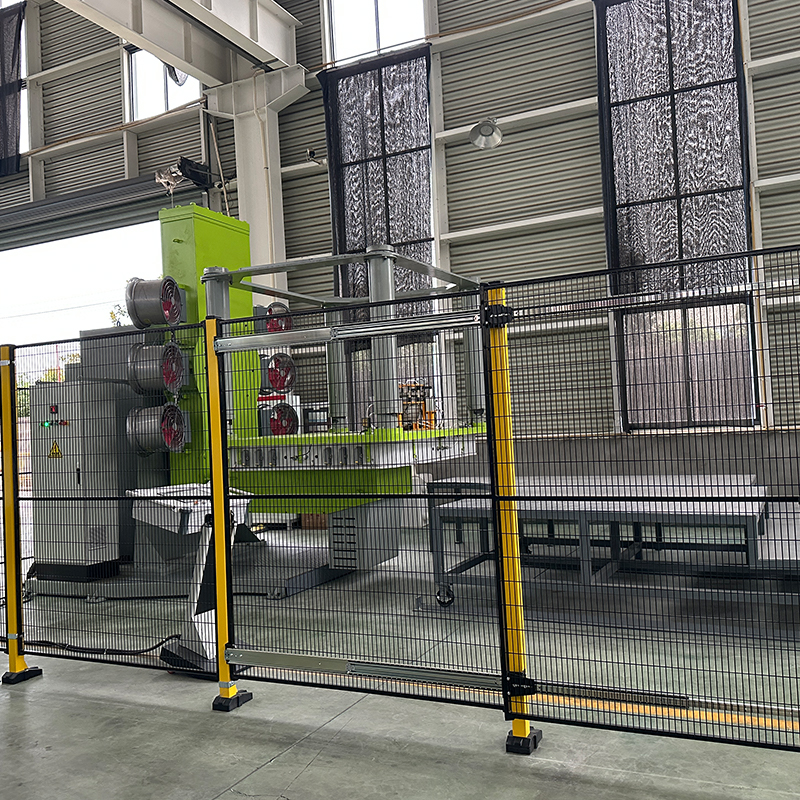
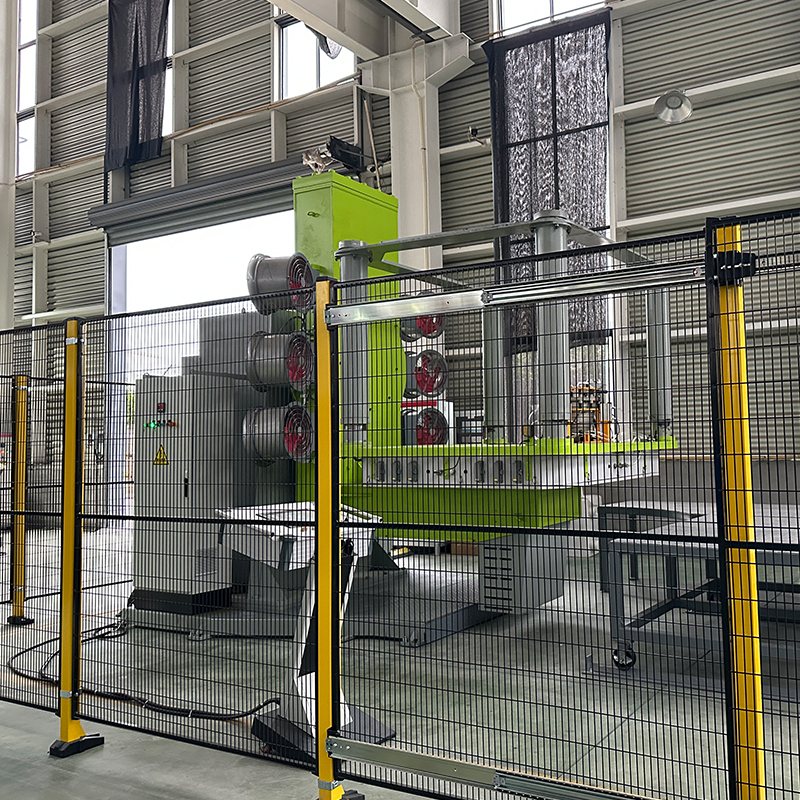
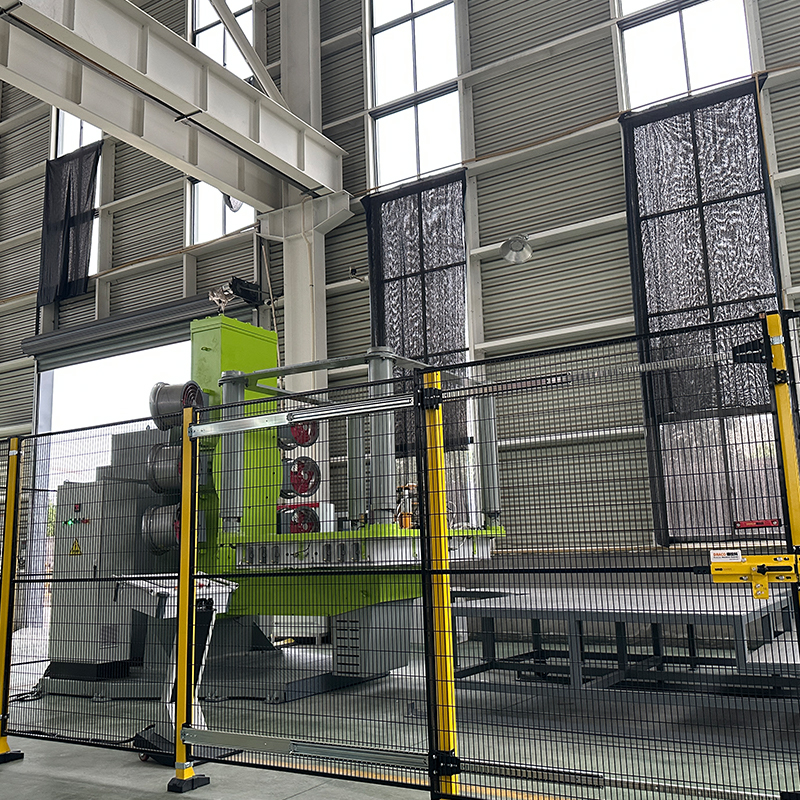
Compared with conventional external heating, the integrated category offers better heating responsiveness and less dependence on a large oven. It can also reduce floor-space requirements and support automated production lines. For projects requiring reliable repeatability, precision temperature control tooling helps manufacturers maintain stable processing conditions across production batches. Jiangsu Zhroto Mould Co., Ltd. has developed capabilities for electric-heated mold design and manufacturing, supporting applications where thermal control and mold durability must be considered together.
- Direct heat delivery to the mold structure
- Cleaner operation without combustion gases
- Improved heating response and repeatability
- Reduced dependence on external ovens
2. Zoned Heating Precision Molds
Zoned heating molds represent a more advanced category within electric rotational molding. Instead of applying identical heating conditions across the entire mold, different areas can be controlled independently. This is particularly useful when a product contains varying wall thicknesses, deep corners, ribs, complex curves, or areas that naturally receive different levels of heat during rotation. The objective is to create a more balanced thermal environment throughout the cavity.
Independent heating zones allow operators to adjust thermal input according to the characteristics of different mold sections. This supports stable material flow and can reduce the risk of underheating or overheating. The approach is especially suitable for complex industrial housings, agricultural containers, and customized hollow products. With precision temperature control tooling, manufacturers can establish repeatable thermal settings and reduce process variation. The electrically heated rotational molding mold can consequently contribute not only to lower energy consumption but also to improved product quality.
The key difference from a standard integrated electric mold is the degree of thermal flexibility. A basic electric configuration focuses on efficient heat delivery, while a zoned configuration provides localized control. This becomes important when one product design has several areas with different heat-transfer requirements. ZHROTO has invested in electric-heated rotomolding technology since 2023, with capabilities including independent zoned heating and temperature control accuracy in the range of approximately 1 to 2 degrees Celsius. These features support manufacturers seeking stable production conditions and more sophisticated process management.
In practical production, zoned heating can also help shorten unnecessary heating time. Rather than maintaining excessive thermal input simply to compensate for colder areas, operators can target energy where it is needed. This approach supports energy efficient plastic molding while maintaining the process stability required for demanding applications.
| Feature | Integrated Electric Mold | Zoned Electric Mold | Conventional Gas-Heated Mold |
| Heating method | Integrated electric elements | Independent electric zones | External gas heating |
| Temperature control | Stable | Highly adjustable | Dependent on oven conditions |
| Energy management | Efficient direct heating | Localized energy delivery | Higher external heat loss |
| Typical applications | Tanks and containers | Complex molded products | General hollow products |
3. High-Performance Electric Molds for Large Hollow Products
Large hollow products create additional challenges because their mold surfaces cover a substantial area and may contain complex curved structures. A high-performance electric mold must therefore combine thermal efficiency with mechanical durability. Reinforced mold frames help withstand continuous rotational movement, while optimized cavity geometry supports consistent material distribution. For large water tanks, chemical storage containers, agricultural bins, and industrial enclosures, thermal uniformity is directly connected with dimensional consistency and finished-part quality.
The electrically heated rotational molding mold is particularly advantageous in these applications because the heating system can be designed around the actual geometry of the product. Instead of relying solely on an external oven to heat every part of the mold equally, electric elements can be positioned according to the thermal requirements of the cavity. This makes electric heating rotomold technology suitable for manufacturers that need repeatable heating performance on large and complicated molds.
Another advantage is the opportunity to reduce production-area heat accumulation. External ovens and combustion systems can release significant amounts of heat into surrounding workspaces. Direct electric heating concentrates thermal energy closer to the mold, which can improve working conditions and reduce unnecessary environmental heat. For companies operating multiple machines, this can also simplify factory planning and contribute to more efficient equipment layouts.
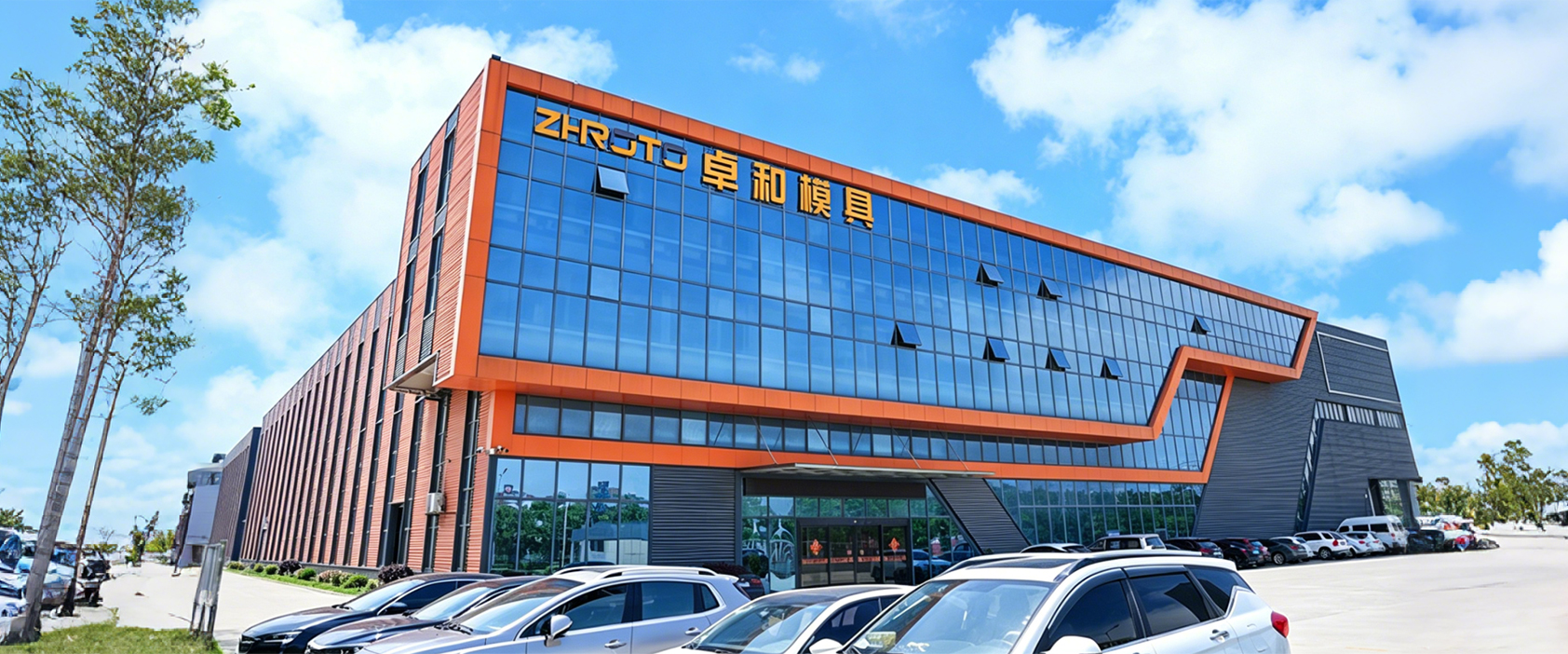
Jiangsu Zhroto Mould Co., Ltd. operates a modern manufacturing facility in Jiangyan District, Taizhou City, with more than 12,000 square meters of standardized production workshops. The company provides mold engineering, 3D modeling, CNC machining, trial validation, quality inspection, delivery, and production technical support. Its annual mold output exceeds 800 sets, allowing electric-heated projects to benefit from established mold-development processes as well as large-scale machining experience.
- Review product dimensions, wall-thickness requirements, geometry, and production targets.
- Develop the cavity and heating-zone layout according to product thermal requirements.
- Confirm mold materials, structural reinforcement, heating elements, and control strategy.
- Complete precision manufacturing, assembly, trial molding, and sample validation.
- Optimize production parameters and provide technical support after mold delivery.
How Electric Heating Supports Energy Efficiency
Energy efficiency is achieved through several interconnected improvements rather than one isolated feature. Direct heat transfer reduces unnecessary thermal losses, while accurate control prevents excessive heating. Zoned systems further improve efficiency by allowing operators to concentrate energy on areas that require greater thermal input. Shorter heating and cooling cycles can increase machine availability, while stable temperatures reduce rejected parts caused by inconsistent processing.
ZHROTO reports thermal efficiency above 95 percent and potential energy consumption reductions of approximately 30 to 50 percent for its electric-heated rotomolding solutions, depending on the equipment configuration and production conditions. These figures should be evaluated against the specific mold design, product geometry, cycle parameters, and factory environment. Nevertheless, the underlying design principle remains consistent: energy efficient plastic molding depends on delivering the required heat accurately rather than simply increasing overall heating intensity.
Process Control and Long-Term Production Value
A successful electric mold should be evaluated beyond its initial energy-saving potential. Repeatability, mold durability, maintenance accessibility, dimensional accuracy, and compatibility with automated equipment all influence long-term production value. A well-designed precision temperature control tooling system can make process settings easier to reproduce between batches, while reinforced structures help the mold withstand repeated heating and rotational movement.
Jiangsu Zhroto Mould Co., Ltd. also provides maintenance advice and ongoing technical support after delivery. This service-oriented approach is important because electric heating systems require the mold, heating components, controls, and production parameters to operate as one integrated system. Proper validation and maintenance can preserve thermal performance and help manufacturers maintain stable output over the service life of the tooling.
Frequently Asked Questions
Q1: What is the main advantage of an electrically heated rotational molding mold?
Its main advantage is direct and controllable heat delivery. Compared with external heating, the system can reduce unnecessary heat loss, improve thermal consistency, and support more repeatable molding cycles.
Q2: How does electric heating rotomold technology improve production control?
It allows heating elements and, where required, independent heating zones to be integrated into the mold. This makes temperature management more responsive and helps accommodate products with different thermal requirements across the cavity.
Q3: Which products are suitable for precision temperature control tooling?
It is suitable for large hollow containers, water tanks, chemical storage tanks, agricultural bins, industrial housings, and customized rotomolded products where uniform wall thickness and stable thermal conditions are important.
Q4: Can ZHROTO provide a complete electric-heated mold solution?
Yes. ZHROTO can support projects from product evaluation and structural optimization through 3D engineering, precision mold manufacturing, trial molding, quality inspection, delivery, production support, and maintenance advice. Its capabilities cover both conventional gas-heated molds and advanced electric-heated rotational molding solutions.
Q5: Why is energy efficient plastic molding important for large-scale production?
Lower unnecessary energy use can improve operating efficiency while supporting cleaner production environments. More stable heating can also reduce process variation, improve repeatability, and contribute to consistent product quality over continuous production cycles.
 +86-18006248936
  ricky.t@zhroto.com
  No.9 Jiangyuan Road, Luotang Street, Jiangyan District, Taizhou City,Jiangsu Province, China