 en
 中文简体
 русский
 Español
 Deutsch
 Polskie
 REQUEST A QUOTE

 Home / News / Industry News / Rotomolded Tanks Guide: Materials, Design, and Mold Selection for Buyers
Rotomolded Tanks Guide: Materials, Design, and Mold Selection for Buyers
Content
- 1 Why Rotomolding Is a Proven Choice for Tank Manufacturing
- 2 Material Selection: Matching Resin to Service Conditions
- 3 Critical Design Considerations for Rotomolded Tanks
- 4 Manufacturing and Quality Control That Protect Tanks
- 5 Applications Across Water, Chemical, and Energy Storage
- 6 Choosing a Rotomolding Partner Without Surprises
- 7 FAQ
Rotomolded tanks are engineered systems. Their performance depends on material selection, wall-thickness control, and mold geometry. Before you specify a tank for water, chemicals, or fuel, it pays to understand how these factors interact during rotational molding.
Why Rotomolding Is a Proven Choice for Tank Manufacturing
The rotational molding process creates a seamless, one-piece structure with no weld lines or weak points. The mold rotates biaxially inside an oven, and molten polymer gradually coats the inner surface. The result is a uniform wall thickness that resists internal pressure and external impact better than welded or blow-molded alternatives.
For medium-to-large tanks, rotomolding offers a cost-effective production route. Tooling investment stays lower than injection or blow molding, and design changes are easier to accommodate. That is why water tanks, dosing containers, and fuel tanks are often produced by rotomolding.
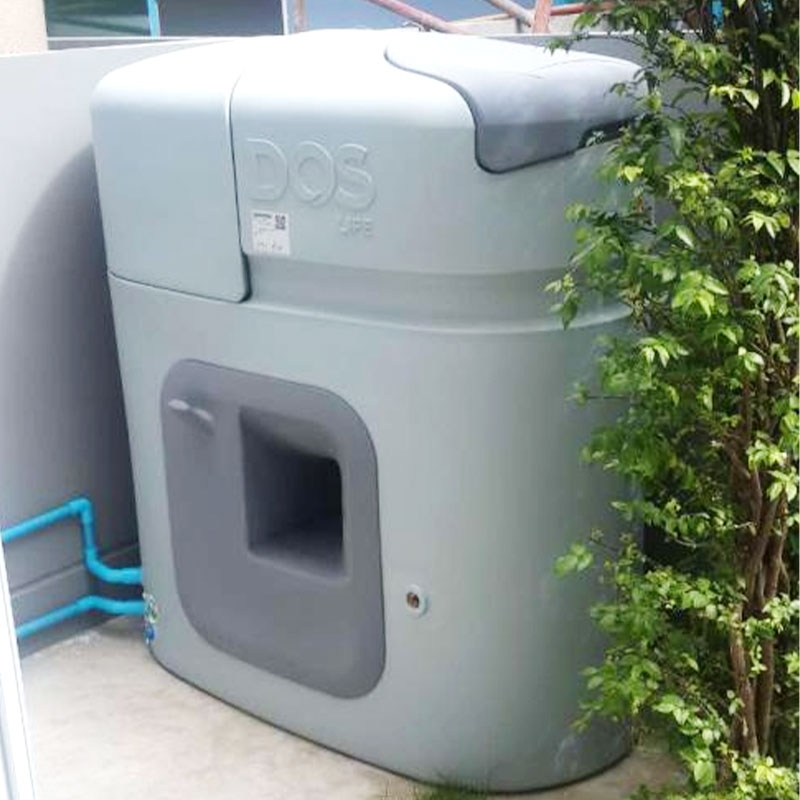 Rotational Molding Mold for Large Water Storage TanksThis mold enables production of seamless, large-capacity plastic tanks with uniform wall thickness, ideal for water storage, agricultural irrigation, and industrial containment. It reduces post-finishing needs and eliminates weld seams, supporting durable and cost-effective tank manufacturing.View Product →
Material Selection: Matching Resin to Service Conditions
Selecting the right polyethylene grade is the first step toward a durable tank.
- LLDPE – General-purpose resin with good flexibility and impact strength. Suitable for water storage and non-corrosive applications.
- HDPE – Higher stiffness and creep resistance. Used for industrial tanks that need dimensional stability under load.
- XLPE – Cross-linked polyethylene with superior environmental stress-crack resistance (ESCR). Recommended for aggressive chemicals and long-service-life applications.
The resin choice directly affects thickness distribution, shrinkage, and chemical compatibility. A mold maker with material experience can advise on realistic tolerances and help prevent stress cracking before it becomes a field failure.
Critical Design Considerations for Rotomolded Tanks
Designing a tank starts with functionality, not just shape. Wall thickness must be specified for the load case, with typical ranges from 3 mm to 25 mm depending on tank volume and service pressure. Thin walls may deform under hydrostatic load, while excessive thickness increases cycle time and cost.
Reinforcement ribs are a practical way to improve structural rigidity without adding weight. Properly placed ribs distribute localized stress and prevent bulging or collapse. Molded-in fittings such as threaded inserts, flanges, or gasket seats require careful positioning to avoid weak points during cooling.
Draft angles of 1 to 2 degrees are normally used to allow demolding. Shrinkage must be factored into the mold design, because polyethylene contracts during cooling and tolerances depend on accurate mold calculations.
Manufacturing and Quality Control That Protect Tanks
The mold is central to tank quality. CNC-machined steel or aluminum molds offer precise wall-thickness control and repeatable production. Mold surface treatment, such as polishing or shot blasting, affects the finish of the product wall. For fuel tanks, smooth interior surfaces help avoid fuel retention and simplify cleaning.
Process parameters also matter. Rotation ratio influences material distribution. Heating time must be matched to the resin type and wall thickness. An overly fast cooling rate can create warpage or internal voids. A capable supplier will document these parameters and perform wall-thickness measurements after trial runs. Consider asking for tolerance reports and visual inspection records before mass production.
Applications Across Water, Chemical, and Energy Storage
Rotomolded tanks serve a broad range of industries. In agriculture and municipal water systems, seamless tanks store rain, potable water, or irrigation water without leakage. For chemical dosing, cross-linked polyethylene tanks withstand aggressive media and outdoor exposure.
In the energy sector, rotomolded components are used for fuel storage and, increasingly, for hydrogen-related containment. Hydrogen gas storage involves strict safety requirements, and mold precision directly affects the integrity of the finished vessel. Mold makers with experience in tight-tolerance tooling are better positioned to support these applications.
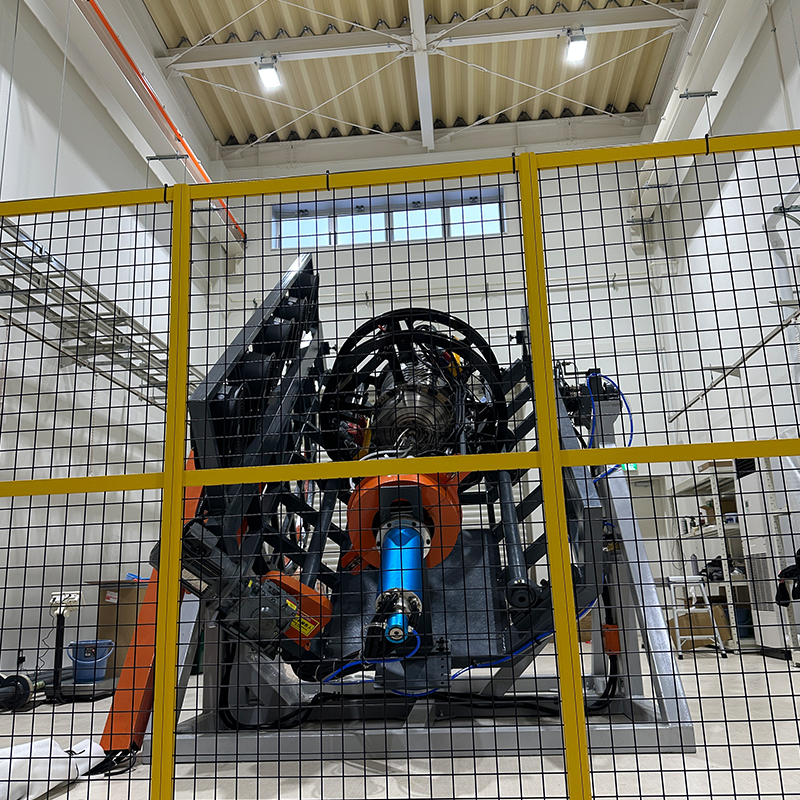 Precision Rotational Molding Mold for Hydrogen Gas CylindersDesigned for hydrogen storage applications, this mold ensures uniform wall thickness and dimensional accuracy to meet strict safety requirements. Suitable for medium to large production runs, it enhances repeatability and structural integrity of the finished cylinders.View Product →
Choosing a Rotomolding Partner Without Surprises
When evaluating a rotomolding supplier, verify the basics before negotiating. Production capacity indicates whether the supplier can handle volume orders. Certifications such as ISO 9001, ISO 14001, and ISO 45001 provide a baseline for quality and safety management. Beyond paperwork, ask for a walkthrough of tooling capability, because mold design experience is what determines your tank's consistency.
A reliable partner should support standard products and custom designs. Share your service conditions, expected lifetime, and regulatory requirements. Ask the supplier how they plan to control wall thickness, how they handle fitting placement, and whether they can provide mold repair or spare parts after delivery.
FAQ
Q1: Can rotomolded tanks handle high temperatures?
Polyethylene tanks generally work continuously at temperatures up to approximately 60°C (140°F). For higher service temperatures, alternate resins or metal components may be needed. Always confirm the temperature range with your supplier.
Q2: How long does a rotationally molded tank last?
Service life depends on material, wall thickness, UV exposure, and the chemicals stored. A properly designed LLDPE or XLPE tank can last 20 years or more in moderate conditions. Regular inspection and protection from direct sunlight can extend that life.
Q3: What wall thickness should my tank have?
There is no universal number. Wall thickness is determined by tank volume, hydrostatic pressure, impact risk, and material properties. A common range for medium-sized tanks is 8 mm to 15 mm. Your mold maker should calculate the minimum safe thickness based on your actual use case.
Q4: Are rotomolded tanks repairable?
Yes. Small cracks, punctures, or worn fittings can often be repaired using hot-air welding or patch kits. The repair quality depends on matching the original resin and surface preparation. For structural damage or chemical service tanks, a professional inspection is recommended.
Rotomolded tanks deliver a rare combination of durability, corrosion resistance, and design freedom. Whether you are building a water storage system or a chemical containment vessel, attention to material, wall thickness, and mold quality will decide how well the tank performs over time.

We provide customers with one-stop services ranging from product design, mold manufacturing to finished product production.
-
 +86-18006248936
-
 ricky.t@zhroto.com
-
 No.9 Jiangyuan Road, Luotang Street, Jiangyan District, Taizhou City,Jiangsu Province, China
Copyright © Jiangsu Zhroto Mould Co., Ltd. Rights Reserved.Custom Rotational Plastic Molding Factory
