 en
en 中文简体
中文简体 русский
 Español
 Deutsch
 Polskie
 REQUEST A QUOTE

 Home / News / Industry News / How Does Custom Rotational Molding Solve Complex Industrial Design Challenges?
 How Does Custom Rotational Molding Solve Complex Industrial Design Challenges?
Content
- 1 Understanding the Custom Rotational Molding Process
- 2 Why Manufacturers Choose Custom Rotomolding for Structural Parts
- 3 Material and Design Considerations for Rotomolded Components
- 4 Step-by-Step Custom Rotational Molding Workflow
- 5 Where Custom Rotational Molding Delivers the Most Value
- 6 Custom Rotational Molding vs Injection Molding vs Blow Molding
- 7 Quality Control and Tolerance Standards in Custom Rotomolding
- 8 How to Evaluate Rotomolding Companies for OEM Projects
- 9 Frequently Asked Questions
- 9.0.1 Q1: What part sizes are practical for custom rotational molding?
- 9.0.2 Q2: How does tooling cost compare to injection molding?
- 9.0.3 Q3: Can multiple wall layers or foam cores be molded in one cycle?
- 9.0.4 Q4: What production volume makes rotomolding the better economic choice?
- 9.0.5 Q5: How long does a typical custom mold take to build?
Understanding the Custom Rotational Molding Process
Large, hollow, structurally demanding parts create a persistent engineering problem: how to produce a component that is strong, seamless and dimensionally stable without the tooling expense of injection molding. automobile fuel tank rotational mold tooling illustrates this well, since fuel systems require a single-piece shell with no weld lines and consistent wall thickness across curved surfaces.
In this process, powdered or liquid polymer resin is loaded into a hollow mold, which is then heated while rotating on two perpendicular axes. The resin gradually coats the interior mold surface, forming a uniform shell as it melts and fuses. Once cooled, the mold opens to release a stress-free, seamless part. Because the polymer is never subjected to high injection pressure, wall stress concentrations are minimal, which is one reason the process is favored for parts that face repeated mechanical loading or outdoor exposure.
Unlike processes that rely on expensive multi-cavity steel tooling, custom rotational molding typically uses cast aluminum molds, which lowers upfront tooling investment and shortens design iteration cycles. This tooling economy is a major reason mid-volume industrial and commercial parts programs turn to rotomolding rather than injection molding.
Why Manufacturers Choose Custom Rotomolding for Structural Parts
Custom rotational molding is selected when a part combines large size, complex geometry and the need for consistent wall strength. The table below summarizes typical wall thickness ranges observed across common structural part categories.
Typical Wall Thickness Range by Part Category
Several benefits explain this pattern of use across industries:
- Seamless, one-piece construction with no bonded joints to fail under vibration
- Even wall distribution across corners, ribs and deep-draw sections
- Lower tooling cost, making mid-volume production and part revisions economical
- Ability to mold double-walled or foam-filled structures for insulation and rigidity
- Inherent corrosion and chemical resistance suited to outdoor and industrial environments
The result is a manufacturing route that favors durability and design flexibility over the very high output rates of pressure-based molding methods.
Material and Design Considerations for Rotomolded Components
Material selection has a direct effect on the mechanical performance of a rotomolded part. Polyethylene grades dominate the process because their melt behavior suits the low-pressure, high-temperature cycle of rotational molding.
| Material Grade | Impact Resistance | UV Stability | Typical Application |
|---|---|---|---|
| Linear Low-Density PE | High | Moderate with additives | Tanks, housings, covers |
| High-Density PE | Moderate | Good | Structural panels, enclosures |
| Cross-Linked PE | Very High | Good | Fuel systems, pressure-rated parts |
Beyond resin choice, part geometry drives success. Draft angles, rib placement and corner radii must be planned early, since the process relies on gravity and rotation speed to distribute molten resin evenly. Overly sharp internal corners can cause thin spots, while excessive rib depth can trap resin and create warping during cooling. Working with rotational molding manufacturers who provide design-for-manufacturability review at the concept stage typically reduces the number of tooling revisions needed before production approval.
Insert placement, such as threaded bosses or metal reinforcement, also needs to be finalized before mold cutting, since retrofitting inserts after tooling is complete adds cost and lead time.
Step-by-Step Custom Rotational Molding Workflow
A production-ready rotomolded part moves through six coordinated stages, each of which affects final wall consistency, surface finish and dimensional accuracy.
Mold design sets tolerances and wall targets before any resin is loaded. During heating and rotation, the mold moves through an oven while turning on two axes so the resin coats every internal surface. Controlled cooling, often assisted with air or water spray, locks in dimensional stability and prevents warping. After demolding, parts move to trimming, hole drilling and final inspection against the original design specification.
Where Custom Rotational Molding Delivers the Most Value
Three industrial categories consistently rely on rotomolding because of the combination of size, durability and low-to-mid production volume they require.
Typical Annual Production Volume by Application (thousand units)
Automotive Fuel Systems
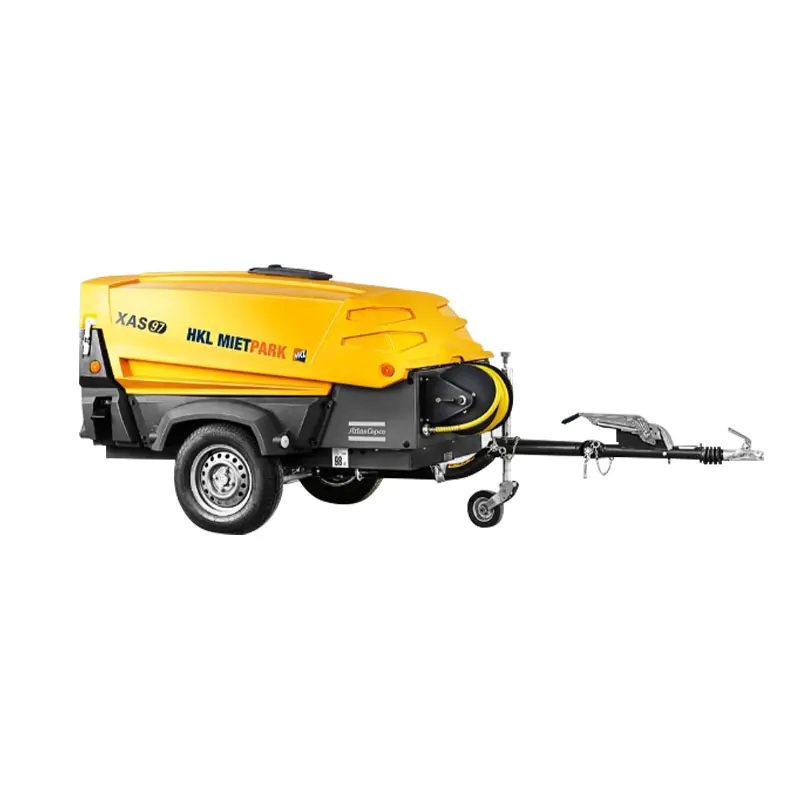
Fuel tanks demand low permeation, chemical resistance to modern fuel blends, and a wall that stays consistent across baffles and mounting bosses. Rotomolding meets these requirements without the weld seams that would otherwise become failure points under vibration and thermal cycling.
Autonomous and Sweeping Robot Housings
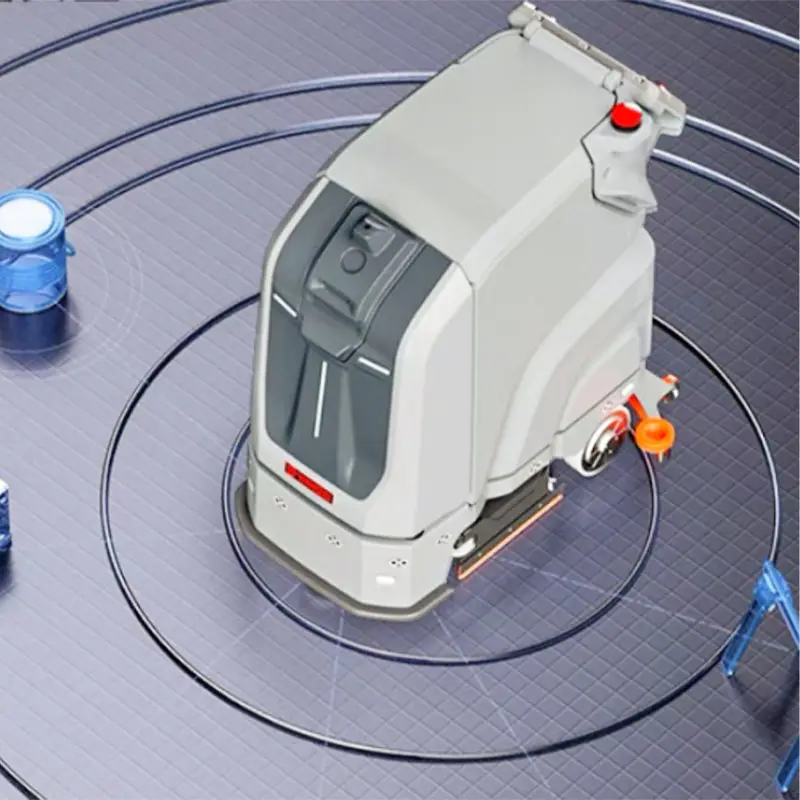
Service robot enclosures need impact resistance for repeated collisions with curbs and furniture, plus enough internal volume for batteries, sensors and drive components. Using an unmanned sweeping robot rotational mold allows designers to integrate mounting ribs and cable channels directly into a single molded shell, reducing the assembly count of the finished unit.
Agricultural Machinery Components
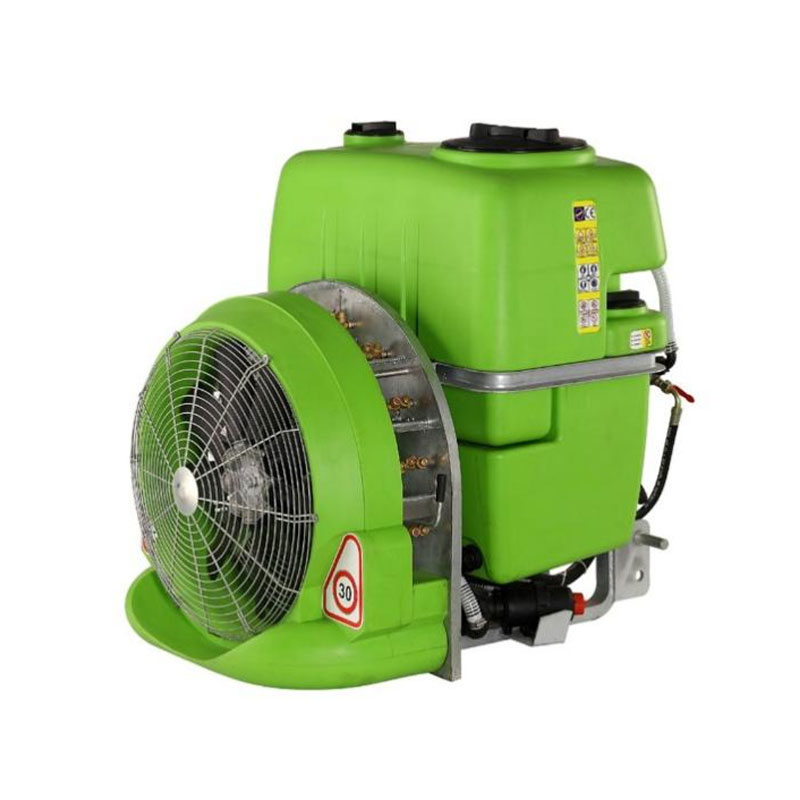
Fenders, hoppers and equipment covers built with an agricultural machinery parts mold must tolerate constant UV exposure, dust abrasion and mechanical fatigue in the field. Rotomolded polyethylene resists cracking under these conditions far longer than painted metal alternatives, while remaining lightweight enough to reduce fuel consumption on mobile equipment.
Custom Rotational Molding vs Injection Molding vs Blow Molding
Choosing a molding process depends on part size, wall complexity, expected volume and tooling budget. The radar chart below compares three common processes across five decision factors, each scored on a relative scale.
Rotational molding scores highest on design flexibility, tooling cost efficiency and large part capability, but trades off some wall uniformity and cycle speed compared to injection molding. This trade-off is directly tied to production economics, illustrated in the cost trend below.
Relative Unit Cost by Production Volume
At low and mid production volumes, rotomolding keeps unit cost relatively flat because tooling investment is modest. Injection molding starts at a higher cost per unit due to steel tooling, then drops sharply once volume climbs past roughly five thousand units, eventually undercutting rotomolding at very high output levels.
Quality Control and Tolerance Standards in Custom Rotomolding
Because rotomolding relies on gravity-driven resin flow rather than injection pressure, quality control focuses on wall thickness consistency, warpage and surface finish rather than gate marks or sink marks common to pressure molding.
| Test | Purpose | Typical Method |
|---|---|---|
| Wall Thickness Check | Confirms even resin distribution | Ultrasonic gauge sampling |
| Environmental Stress Crack Resistance | Validates long-term chemical exposure durability | Accelerated stress testing |
| UV Exposure Test | Confirms outdoor color and strength retention | Weathering chamber cycles |
| Drop and Impact Test | Verifies resistance to handling and field impact | Controlled drop testing |
Dimensional tolerances in rotomolding are generally wider than injection molding due to the shrinkage behavior of polyethylene during cooling, so design teams typically build in tolerance allowances of a few percent on large flat surfaces rather than treating the process as a precision-fit method.
How to Evaluate Rotomolding Companies for OEM Projects
Selecting among rotomolding companies for an OEM program involves more than comparing quoted piece price. A short evaluation checklist helps narrow the field:
- In-house mold design and CNC tooling capability, which shortens revision turnaround
- Documented process control for wall thickness and cycle temperature repeatability
- Material traceability and resin certification for regulated industries
- Prototype-to-production support, including small pilot runs before full tooling commitment
- Secondary operations capacity, such as drilling, insert installation and painting
Because custom rotational molding tooling is far less costly than steel injection tooling, many manufacturers use it specifically to validate a design through a low-volume pilot run before deciding whether higher-volume tooling is justified. Suppliers who support this staged approach, rather than requiring a full tooling commitment upfront, tend to reduce program risk for new part introductions.
Finally, review a supplier's part portfolio for structural complexity similar to the target application. A shop experienced primarily with simple tanks may not have the rib and boss design experience needed for a robotics housing, while a shop focused on complex enclosures may be well suited to fuel systems or agricultural covers alike.
Frequently Asked Questions
Q1: What part sizes are practical for custom rotational molding?
The process handles parts ranging from small enclosures to large tanks exceeding several meters in length, since mold size is limited mainly by oven and rotation equipment capacity rather than by resin flow behavior.
Q2: How does tooling cost compare to injection molding?
Rotomolding tooling generally costs a fraction of comparable steel injection tooling because molds are typically cast aluminum or fabricated sheet metal, which is faster and less expensive to produce and modify.
Q3: Can multiple wall layers or foam cores be molded in one cycle?
Yes, many rotational molding manufacturers offer multi-layer processes that add a foam core between two resin skins, improving insulation and rigidity for applications such as tanks and equipment housings.
Q4: What production volume makes rotomolding the better economic choice?
Low to mid volumes, typically from a few hundred to several thousand units per year, generally favor rotomolding, while very high volumes tend to shift the economic advantage toward injection molding once tooling cost is amortized.
Q5: How long does a typical custom mold take to build?
Lead time depends on part complexity, but straightforward tooling can often be completed within a few weeks, while highly detailed molds with multiple inserts and fine surface texture may take longer.

We provide customers with one-stop services ranging from product design, mold manufacturing to finished product production.
-
 +86-18006248936
 -
 ricky.t@zhroto.com
 -
 No.9 Jiangyuan Road, Luotang Street, Jiangyan District, Taizhou City,Jiangsu Province, China
Copyright © Jiangsu Zhroto Mould Co., Ltd. Rights Reserved.Custom Rotational Plastic Molding Factory
