
 en
en 中文简体
中文简体 русский
 Español
 Deutsch
 Polskie
 REQUEST A QUOTE



Why Rotomolding Is Ideal for Unmanned Sweeping Robot Mold Shells
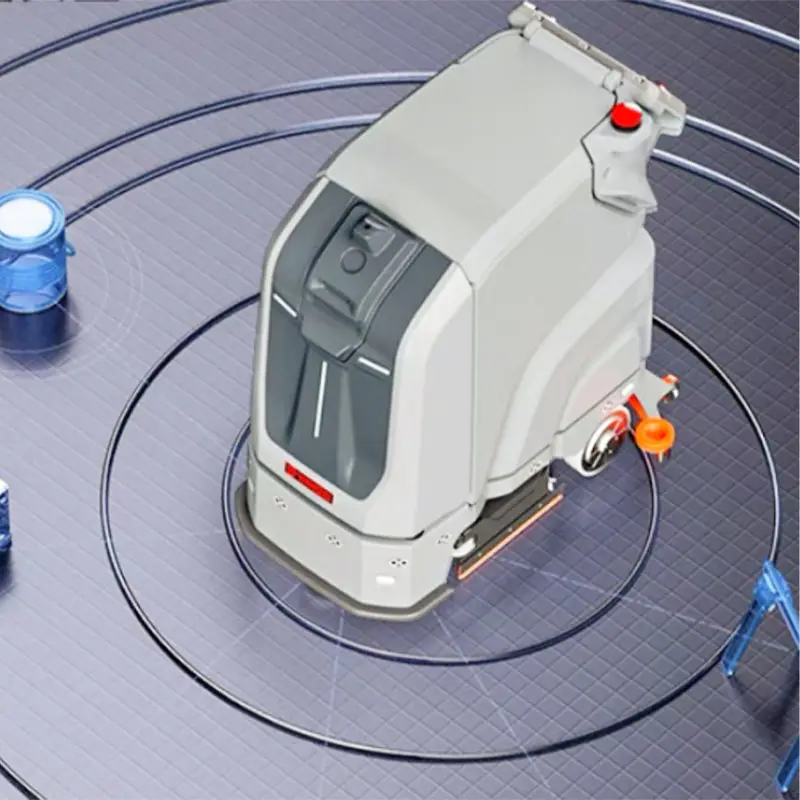
Unmanned sweeping robots require housings that are lightweight, durable, dimensionally consistent, and visually refined. The shell must protect internal motors, sensors, batteries, control modules, and cleaning mechanisms while maintaining a practical shape for movement around furniture and other household obstacles. For this reason, rotational molding provides an effective manufacturing route for an unmanned sweeping robot mold, especially when the product requires a seamless hollow structure, integrated curves, and dependable impact resistance.
Rotational molding technology allows manufacturers to produce seamless hollow plastic components without the weld lines commonly associated with multi-piece construction. This characteristic is particularly valuable for autonomous cleaning equipment, where the outer shell must combine structural stability with an attractive appearance. A properly engineered mold can also support controlled wall thickness, smooth surfaces, and complex curved geometry. These advantages make rotomolding suitable for customized robotic housing tooling and broader plastic enclosure manufacturing applications.
1. Standard Unmanned Sweeping Robot Shell Molds
The standard shell mold is designed as the primary structural tooling for household unmanned sweeping robots. Its role is to create the external enclosure that protects internal components while providing sufficient clearance for wheels, brushes, sensors, charging interfaces, and other functional assemblies. Because the shell normally includes rounded corners and a relatively compact hollow structure, rotational molding can form the housing with fewer assembly seams and a consistent overall appearance. The resulting component can provide a practical balance between weight and strength, which is important for autonomous cleaning equipment that must operate for extended periods.
A well-designed unmanned sweeping robot mold also considers demolding, wall distribution, draft characteristics, mounting areas, and surface finish from the beginning of the engineering process. These factors directly influence production stability and final product quality. Unlike a tooling solution designed only around appearance, a professional rotomolding mold must account for heating, cooling, material flow, and repeated production cycles. This makes mold engineering an important part of plastic enclosure manufacturing, rather than simply a machining task.
- Supports seamless hollow housing construction.
- Allows rounded and ergonomic external profiles.
- Provides flexibility for customized product dimensions.
- Can support durable surfaces suitable for repeated household use.
This category is especially suitable for standard residential cleaning robots and products that require dependable production at moderate to large volumes. The mold can be developed from product concepts, existing drawings, or newly optimized three-dimensional designs, allowing manufacturers to improve manufacturability before precision machining begins.
2. Reinforced Robotic Housing Tooling
Reinforced robotic housings are intended for applications where the shell encounters more frequent impacts, vibration, or demanding operating conditions. Although household sweeping robots are generally lightweight, their housings can experience repeated contact with furniture, walls, door thresholds, and other obstacles. A reinforced tooling concept therefore focuses on structural geometry, localized support areas, corner strength, and consistent material distribution. Rotational molding is well suited to this purpose because the process can create strong hollow parts with carefully developed contours.
The design of robotic housing tooling in this category can include thicker structural zones, reinforced mounting regions, and carefully positioned transitions between curved surfaces. Such features help reduce stress concentration without unnecessarily increasing the total mass of the product. The mold itself must also maintain stable performance through repeated heating and cooling cycles. Precision machining of complex curved surfaces is therefore important for ensuring that the final shell remains consistent from one production batch to another.
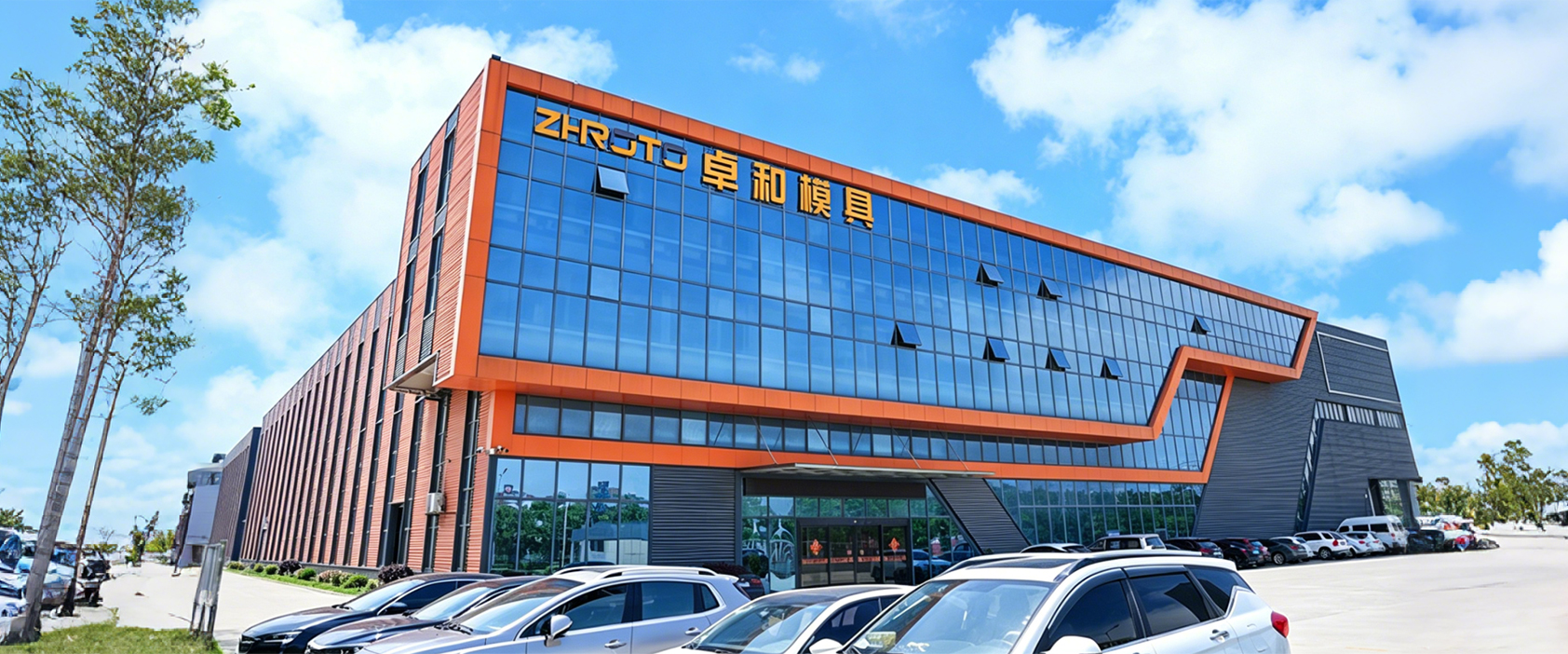
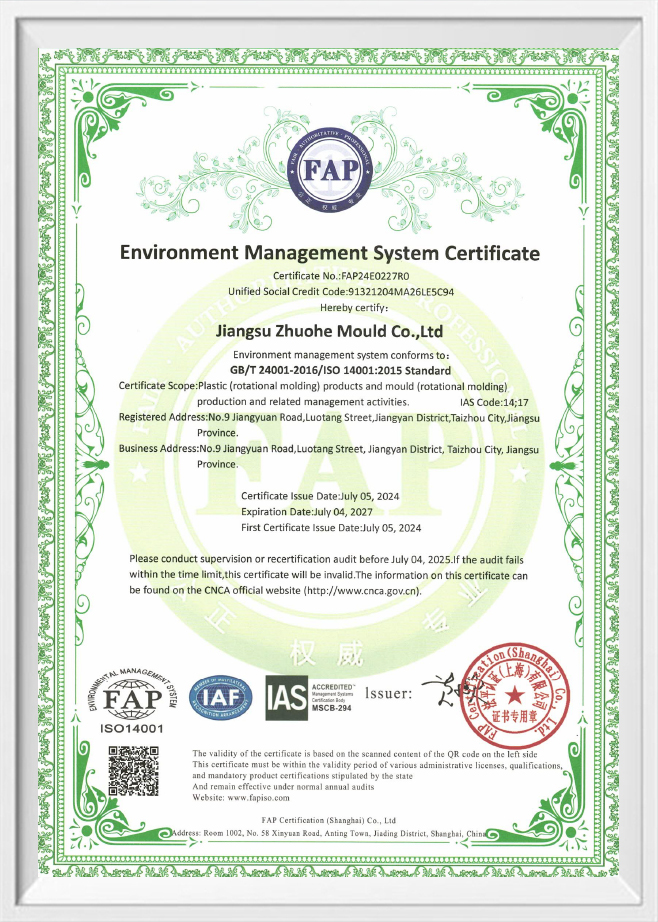
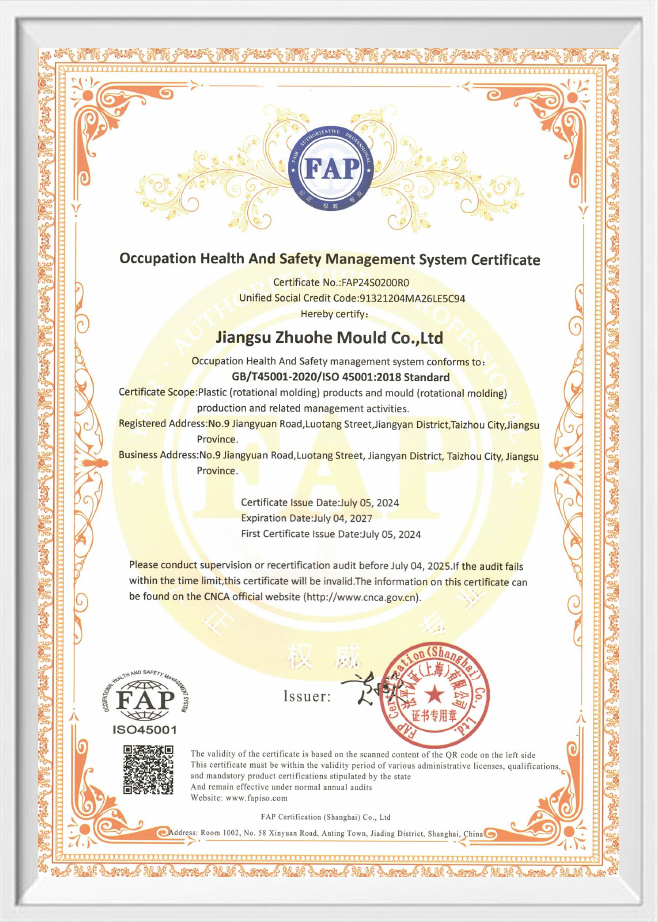
Jiangsu Zhroto Mould Co., Ltd. has extensive experience in rotational molding mold design and manufacturing, with capabilities covering engineering development, CNC machining, mold trial validation, and production support. Its modern production facility includes standardized workshops and supports large-scale mold machining for complex curved surfaces. The company's quality management approach is supported by ISO 9001:2015, ISO 14001:2015, and ISO 45001:2015 certifications, providing a structured foundation for customized mold projects.
Compared with a basic shell mold, reinforced tooling places greater emphasis on mechanical durability and long-term production stability. This makes it appropriate for cleaning equipment that must tolerate frequent operation or more demanding environments. The approach also provides room for future product improvements without requiring the entire manufacturing concept to be redesigned.
3. Precision Autonomous Cleaning Equipment Shell Molds
Precision shell molds are developed for robot products where appearance, dimensional accuracy, component integration, and functional geometry are equally important. Modern sweeping robots often combine sensors, control systems, charging components, and cleaning mechanisms within a compact enclosure. Consequently, the shell must accommodate multiple interfaces while preserving a clean external profile. Rotational molding can produce complex curved surfaces that support this design direction, particularly when the mold is developed through detailed CAD modeling and engineering review.
A precision autonomous cleaning equipment shell should be evaluated not only for visual quality but also for assembly compatibility. Sensor openings, fastening points, access areas, and internal supports need to be considered during mold development. Careful mold testing and sample validation can identify dimensional deviations before mass production. This reduces downstream assembly problems and helps manufacturers maintain consistent product performance.
This category differs from reinforced tooling because its main objective is integration and dimensional control rather than simply increased structural strength. It is particularly suitable for premium household cleaning products, customized robotic platforms, and new-generation autonomous equipment. Professional plastic enclosure manufacturing can also benefit from material and process recommendations that balance surface quality, durability, and production efficiency.
ZHROTO has developed capabilities for both conventional gas-heated and electric-heated rotational molding applications. Its electric-heated mold technology, developed since 2023, emphasizes more precise temperature management, zoned heating, and improved process control. These capabilities can be valuable when a robotic enclosure requires tighter process management and consistent surface quality.
Comparing the Three Mold Categories
| Category | Main Focus | Typical Application | Primary Advantage |
| Standard shell mold | Basic housing production | Residential sweeping robots | Efficient seamless construction |
| Reinforced housing mold | Structural durability | Frequent-use cleaning equipment | Improved impact resistance |
| Precision shell mold | Integration and appearance | Premium autonomous robots | Dimensional and surface consistency |
Why Rotomolding Improves Shell Performance
The main advantage of rotational molding for robot shells is its ability to create hollow structures with smooth transitions and minimal seams. This construction method can reduce potential weak points while keeping the housing relatively lightweight. It also gives designers greater freedom when developing rounded shapes, recessed sections, and other forms that would be difficult to manufacture economically through conventional fabrication methods.
For an unmanned sweeping robot mold, thermal performance is another important consideration. Mold material, wall construction, ventilation, and heating behavior all influence how consistently plastic forms during production. Electric-heated rotational molding can provide more precise temperature control and independent heating zones, while conventional gas-heated systems remain widely compatible with established rotomolding equipment. The appropriate solution depends on the product structure, production requirements, and desired process control.
- Review the robot's dimensions, structure, application environment, and production objectives.
- Optimize the product geometry for rotational molding and manufacturability.
- Create detailed three-dimensional models and confirm the mold structure.
- Manufacture the tooling using precision CNC machining and suitable mold materials.
- Conduct mold trials, validate samples, inspect dimensions, and provide production support.
Jiangsu Zhroto Mould Co., Ltd. follows a complete development workflow covering project evaluation, product optimization, 3D engineering, mold confirmation, precision manufacturing, testing, quality inspection, delivery, and ongoing technical support. With an annual output exceeding 800 sets of molds, the company provides integrated solutions for customers requiring both mold development and finished rotomolded products. This one-stop approach is useful when robotic housing designs need repeated engineering adjustments before stable production.
Material, Design, and Quality Considerations
Selecting an appropriate plastic material is essential for achieving the desired combination of toughness, weight, surface appearance, and environmental resistance. The mold design should be developed together with the material and production process rather than treated as an independent stage. Designers should evaluate wall consistency, corner transitions, mounting areas, demolding requirements, and surface finish before finalizing the tooling.
Quality control should continue throughout the complete mold lifecycle. Initial engineering reviews help identify structural risks, while trial production confirms whether the mold performs as expected. Dimensional inspection and sample validation provide further evidence that the housing meets the intended specifications. This systematic approach helps maintain stable performance and reduces the possibility of costly modifications after production has started.
Frequently Asked Questions
Q1: Why is rotational molding suitable for unmanned sweeping robot shells?
Rotational molding is suitable because it can create seamless hollow structures with curved geometries, dependable durability, and relatively low weight. These characteristics match the functional requirements of autonomous household cleaning equipment.
Q2: How does robotic housing tooling affect robot shell quality?
Tooling determines important factors such as geometry, surface finish, wall consistency, demolding performance, and production repeatability. Proper engineering helps the final housing protect internal components while maintaining a consistent appearance.
Q3: Can Zhroto Mould develop customized cleaning robot molds?
Yes. Zhroto Mould provides customized rotational molding solutions based on product concepts, existing drawings, or new product development requirements. Services cover design optimization, CAD engineering, precision manufacturing, mold testing, inspection, delivery, and production support.
Q4: What is the difference between gas-heated and electric-heated rotomolding molds?
Gas-heated systems offer broad equipment compatibility and established production performance. Electric-heated systems provide more precise temperature management and zoned heating capabilities, making them attractive for applications that require enhanced process control.
Q5: Can the same tooling approach support other plastic products?
Yes. The same rotational molding expertise can be applied to products such as fresh water tanks, waste water tanks, instrument panels, agricultural equipment, industrial components, outdoor facilities, and other large hollow plastic products. The final mold configuration is adapted to the specific geometry and production requirements.
 +86-18006248936
  ricky.t@zhroto.com
  No.9 Jiangyuan Road, Luotang Street, Jiangyan District, Taizhou City,Jiangsu Province, China