 en
 中文简体
 русский
 Español
 Deutsch
 Polskie
 REQUEST A QUOTE

 Home / News / Industry News / Rotational Molding Machine: Types, Selection Criteria, and Buying Guide
Rotational Molding Machine: Types, Selection Criteria, and Buying Guide
Content
- 1 How a Rotational Molding Machine Works
- 2 Main Types of Rotational Molding Machines
- 3 What to Evaluate Before Buying a Rotational Molding Machine
- 4 How Machine and Mold Interaction Determines Part Quality
- 5 Rotational Molding Machine Buying Checklist
- 6 Frequently Asked Questions About Rotational Molding Machines
- 6.0.1 Q1: What is the difference between a carousel and a shuttle rotational molding machine?
- 6.0.2 Q2: How long does a typical rotational molding machine cycle take?
- 6.0.3 Q3: What materials can be processed on a rotational molding machine?
- 6.0.4 Q4: How much floor space does a rotational molding machine require?
Choosing a rotational molding machine starts with a question that most equipment datasheets never answer: what will your production line need five years from now? A three-arm carousel built for water tanks and a rock-and-roll machine designed for kayak hulls both count as rotational molding machines, yet they behave as completely different tools. This guide explains how the process works, compares the four main machine configurations, and covers the evaluation criteria that matter when you assemble a purchase budget.
Rotational molding produces seamless, stress-free hollow parts from polyethylene and other thermoplastics. The machine sets the cycle time, the maximum part envelope, and the energy cost. The quality of every finished product also depends on the mold bolted to the machine arm, and that connection between machine performance and mold design runs through the entire guide.
How a Rotational Molding Machine Works
The rotational molding process, often shortened to rotomolding, uses a hollow mold mounted on a machine arm that rotates biaxially inside a heated oven. Every cycle moves through four stages:
- Loading. A measured amount of polymer powder, usually fine-grade polyethylene, is placed in the mold cavity. The mold is clamped shut and the carriage moves into the oven.
- Heating. The mold rotates on two perpendicular axes while hot air circulates around it. The powder melts and deposits as a uniform layer on the inner mold surface.
- Cooling. The mold transfers to a cooling station where forced air, water mist, or a combination of both brings the part below its release temperature.
- Unloading. The mold is opened, the finished hollow part is removed, and the cycle starts again.
The two-axis rotation is what makes the process unique. No internal pressure is applied; the powder melts, sinters, and fuses onto the cavity surface purely through heat and motion. This produces parts with near-uniform wall thickness and low residual stress, which is why large storage tanks, kayaks, automotive fuel tanks, and agricultural components are typically rotationally molded.
Every machine type shares the same core structure: an arm or carriage, variable-speed drive motors, an oven, a cooling station, and a control system that stores heating and cooling recipes for each product.
Main Types of Rotational Molding Machines
Production shops usually work with one of four machine configurations. Each one trades off part envelope, output volume, capital cost, and factory footprint differently.
| Machine Type | Number of Arms | Part Envelope | Main Strength | Typical Applications |
|---|---|---|---|---|
| Carousel / Rotary | 3 to 4 | Small to large, typically under 6 m swing | Continuous indexing and high output | Tanks, containers, automotive parts, multi-product lines |
| Shuttle | 1 to 2 | Very large, over 6 m swing | Lower investment and flexible scheduling | Large water tanks, custom industrial parts |
| Rock-and-Roll | 1 | Long and narrow, up to 15 m | Handles elongated geometry | Kayaks, bumpers, long troughs and ducts |
| Clamshell | 1 | Small to medium | Compact footprint and lower energy per cycle | Prototyping, short series, small tanks |
Carousel machines dominate high-volume factories because each arm indexes through its own station in a continuous loop. Shuttle machines move one or two arms along a straight path in and out of the oven; their simpler layout and lower investment make them attractive for very large molds. Rock-and-roll machines rotate around one axis and rock around the other, which suits long, narrow parts. Clamshell machines integrate the oven and cooling area in one unit and are the most compact option on the market.
What to Evaluate Before Buying a Rotational Molding Machine
After the basic configuration is confirmed, six factors decide whether a machine will pay for itself in your specific production environment.
- Part envelope and platen size. Measure the largest finished part you expect to make, including mold clearances. Swing diameter and platen dimensions must accommodate the mold without restricting air circulation.
- Cycle time and required output. Estimate annual demand first, then calculate how many machines and shifts you need. A slower heating or cooling curve can be offset with a multi-arm design.
- Heating method and energy profile. Most machines rely on hot-air circulation. Direct flame systems suit very large molds, while oil-heated platens shorten heating for thick products. Compare energy consumption per kilogram of output.
- Cooling capacity. The cooling stage often defines the real cycle time. Confirm whether the machine provides forced air, water mist, or full-water cooling, and how that interacts with material shrinkage.
- Mold mounting compatibility. Bolt patterns, arm spacing, load capacity, and available utilities must match the tooling you already own or plan to purchase.
- Control and recipe management. Modern machines store multiple process recipes. This reduces trial runs when switching products and makes wall-thickness control more repeatable.
These criteria are closely connected. A mold designed for a 1.8 m swing carousel will not fit a compact clamshell machine, and a mold built for polypropylene behaves differently on an oil-heated platen. Matching machine selection to mold design early avoids expensive retrofits later.
How Machine and Mold Interaction Determines Part Quality
This is where machine selection and mold engineering meet. The machine controls the thermal cycle and motion, but the mold controls how heat transfers into the polymer, how air escapes from the cavity, and how the part releases at the end of the cycle. Poor machine-mold matching shows up as uneven wall thickness, trapped air voids, warping along parting lines, and long trial-and-error runs.
At Jiangsu ZHROTO Mould Co., Ltd., the first question we ask is never "which mold design do you want?" It is "which machine will run this part?" Arm dimensions, heating method, rotation ratio, and cooling capacity all change the mold design. A water tank rotational molding mold, for example, uses shear-edge construction and carefully sized vents to hold uniform wall thickness across a large surface. If the same mold runs on a machine with uneven oven temperature or slow rotation, thinning appears near vents and corners first.
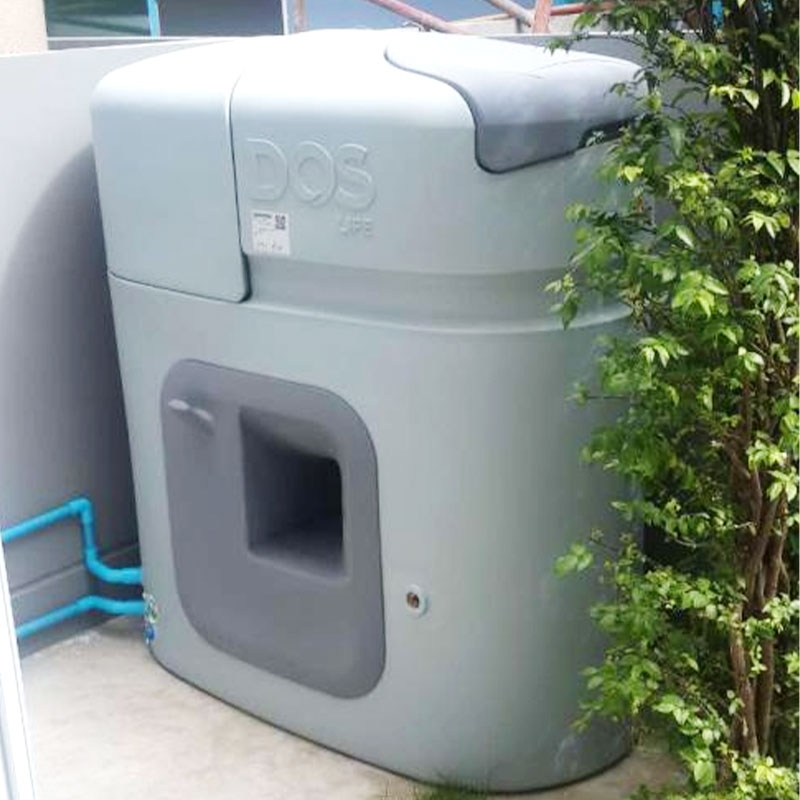 Rotational Mold for Large-Capacity Water Storage TanksThis mold supports one-piece rotational casting of seamless water and chemical storage containers, with shear-edge construction and precise venting that hold uniform wall thickness across large surfaces—important when consistent part quality depends on mold design and machine setup.View Product →
Automotive fuel tanks are among the most demanding rotomolding applications. The mold must hold tight wall-thickness distribution while the finished tank meets permeation and impact requirements. This level of control is possible only when a precisely built mold runs on a machine with stable temperature zones and calibrated rotation speeds.
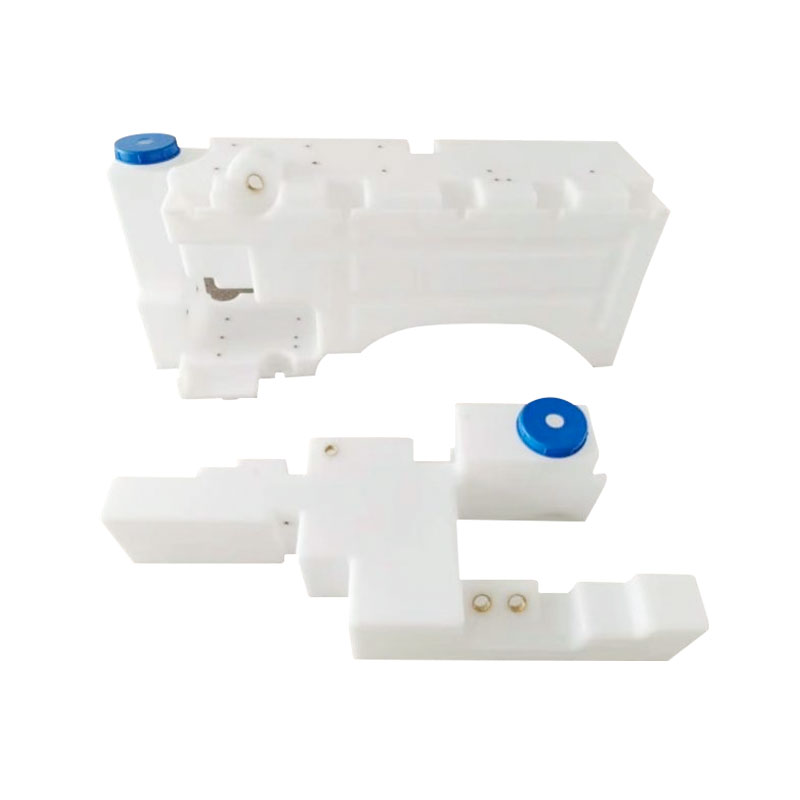 Rotational Mold for Automotive Plastic Fuel TanksEngineered for one-piece fuel tanks that fit complex chassis spaces and reduce vehicle weight, this mold supports the tight wall-thickness control and permeation standards required for demanding automotive fuel system applications.View Product →
Agricultural machinery components add heavy wear, UV exposure, and extreme temperature swings. The mold surface finish and parting-line design determine whether a part keeps its structural strength and dimensional stability over thousands of operating hours.
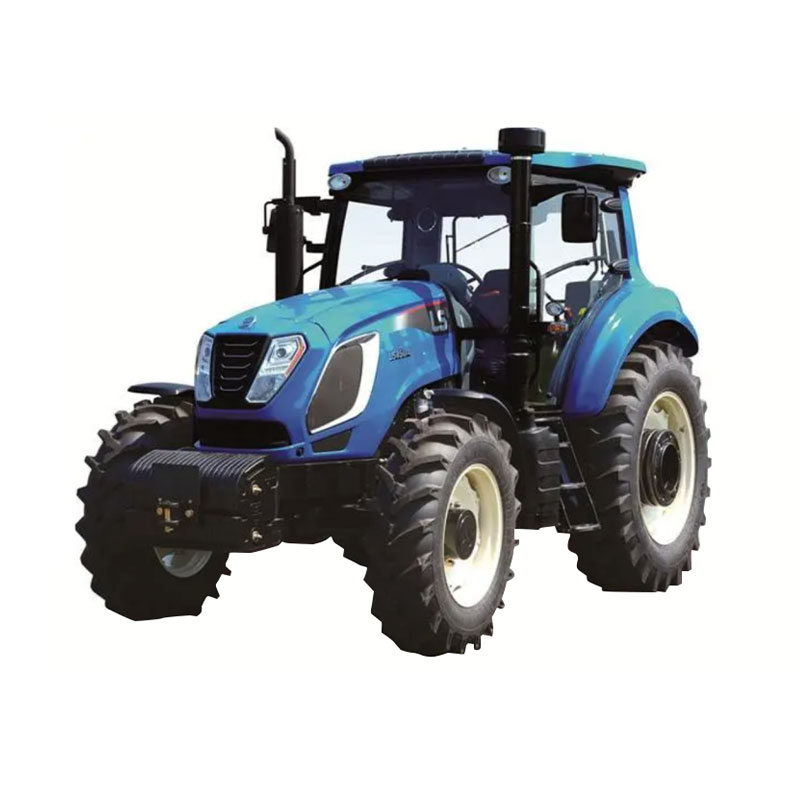 Rotational Mold for Agricultural Machinery ComponentsDesigned for heavy-duty parts exposed to wear, UV, and temperature swings, this mold delivers stress-free, seamless finishes that keep agricultural components dimensionally stable and structurally sound over years of field use.View Product →
Capacity at a glance: Jiangsu ZHROTO Mould produces more than 800 sets of rotational molds per year, operates over 17 CNC machining and rotomolding machines, and processes more than 3,600 tons of rotomolded products annually in a 12,000 square meter standardized workshop.
The practical takeaway is that buying a machine and buying a mold should be one project, not two. Our rotomolding process page explains how we integrate mold design with actual production parameters, and our engineering team is available to review your machine specifications before tooling starts.
Rotational Molding Machine Buying Checklist
If you are preparing a machine specification or evaluating supplier proposals, keep this quick-reference list handy.
- Confirm the largest part envelope, including mold walls and vent stubs.
- Calculate required annual output and verify the machine cycle-time capability.
- Check heating uniformity: ask for the oven temperature map and heat recovery time.
- Verify independent rotation speed control for each axis, plus adjustable rotation ratio.
- Match the mold mounting plate to your existing or planned tooling.
- Ask about service access, spare parts supply, installation lead time, and operator training.
- Plan the factory floor in advance: oven exhaust, cooling water supply, compressed air, and crane capacity.
Many buyers underestimate floor space and utilities. A four-arm carousel with a separate cooling station can occupy 200 square meters or more, plus mold storage and material handling areas. Budgeting for these costs before delivery prevents disruption during installation.
Whatever machine configuration fits your product range, the mold remains the main link between machine performance and product quality. Work with a mold supplier that understands machine parameters, not just mold geometry. You can contact our engineering team to discuss your machine setup and mold requirements.
Frequently Asked Questions About Rotational Molding Machines
Q1: What is the difference between a carousel and a shuttle rotational molding machine?
A1: A carousel machine usually has three or four arms that index through separate stations in a continuous cycle, which maximizes output and suits higher production volumes. A shuttle machine uses one or two arms that move in and out of the oven along a straight path, offering lower investment and more flexibility for very large parts.
Q2: How long does a typical rotational molding machine cycle take?
A2: A complete cycle typically lasts 30 to 90 minutes, depending on polymer type, wall thickness, mold mass, and heating efficiency. Thick-walled industrial parts tend to run at the upper end of the range.
Q3: What materials can be processed on a rotational molding machine?
A3: Polyethylene is the dominant material, especially LLDPE and HDPE. Other processable materials include polypropylene, PVC plastisols, nylon, and select engineered composites.
Q4: How much floor space does a rotational molding machine require?
A4: A compact clamshell machine can operate within roughly 50 square meters. A large four-arm carousel with a dedicated cooling station typically needs 200 to 400 square meters including ancillary equipment and mold storage.

We provide customers with one-stop services ranging from product design, mold manufacturing to finished product production.
-
 +86-18006248936
-
 ricky.t@zhroto.com
-
 No.9 Jiangyuan Road, Luotang Street, Jiangyan District, Taizhou City,Jiangsu Province, China
Copyright © Jiangsu Zhroto Mould Co., Ltd. Rights Reserved.Custom Rotational Plastic Molding Factory
