
 en
en 中文简体
中文简体 русский
 Español
 Deutsch
 Polskie
 REQUEST A QUOTE


What challenges exist in floor washing machine mold manufacturing
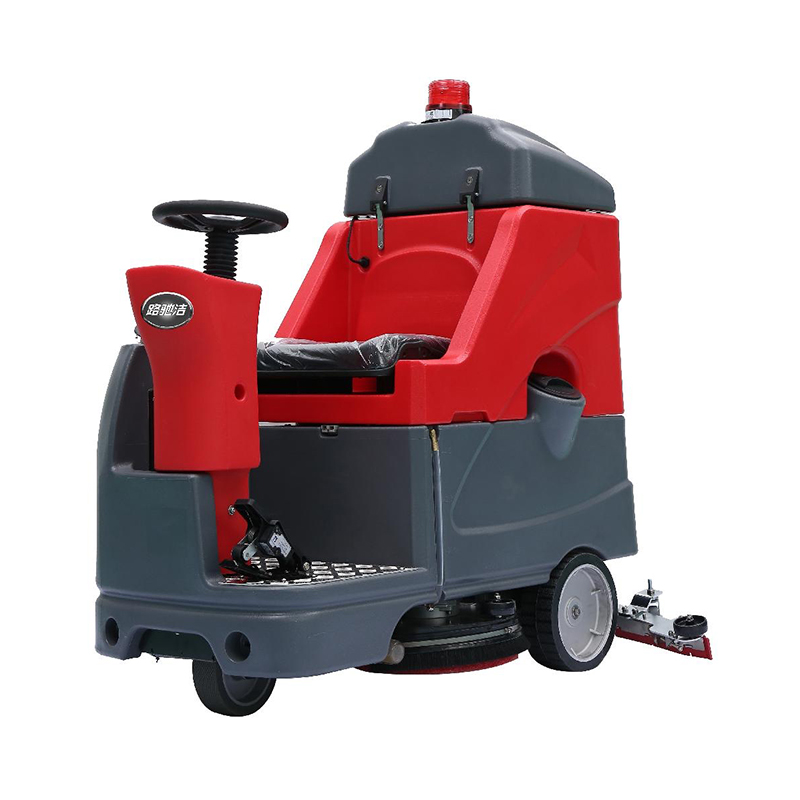
Modern floor cleaning equipment requires components that are lightweight, durable, dimensionally stable, and capable of maintaining reliable sealing during long operating cycles. These requirements make mold engineering a critical part of product development. A well-designed floor washing machine mold must accommodate complex tank geometries, curved machine housings, protective covers, and control components while remaining suitable for efficient rotational molding. Unlike simple plastic forming tools, these molds must balance structural performance, material distribution, heat transfer, demolding, and production consistency.
The challenge becomes more significant when manufacturers develop commercial equipment with large hollow components. Fresh water tanks and waste water tanks need continuous surfaces without unnecessary welds, while joystick covers and instrument panels require accurate interfaces with other machine assemblies. In this environment, commercial scrubber dryer tooling is not merely a cavity-forming tool; it is part of an integrated engineering process that influences product quality, production efficiency, and service life.
Fresh Water and Waste Water Tank Molds
Fresh water and waste water tanks represent one of the most demanding product categories because they combine large dimensions with strict sealing requirements. A suitable floor washing machine mold must create a continuous hollow structure while controlling wall thickness and maintaining stable dimensions after cooling. Rotational molding is particularly useful because it can produce seamless tanks with integrated curves, rounded corners, mounting features, and other structural details. Compared with smaller covers, tank molds place greater emphasis on thermal behavior, mold rigidity, and balanced material distribution.
For these applications, industrial cleaning tank molding requires careful consideration of corner transitions and connection areas. Sharp internal geometry can interfere with material flow, while poorly positioned openings can make demolding difficult or create weak areas. Mold designers therefore need to optimize part geometry before manufacturing the tooling. Tank applications also differ from machine housings because leakage prevention is a primary objective. The finished tank must remain reliable under repeated filling, emptying, cleaning, vibration, and transportation.
- Fresh water tanks: designed for clean-water storage and controlled supply during floor-cleaning operations.
- Waste water tanks: engineered for collection, drainage, cleaning access, and repeated service cycles.
- Large hollow structures: produced as continuous components to reduce reliance on welded joints.
A major advantage of this category is the ability to integrate several structural features into one molded component. However, larger cavities are more sensitive to deformation and thermal variation, making mold construction quality especially important. Jiangsu Zhroto Mould Co., Ltd. provides engineering support covering product evaluation, three-dimensional modeling, mold confirmation, CNC manufacturing, trial validation, and quality inspection. This integrated workflow helps address the specific difficulties associated with industrial cleaning tank molding and supports consistent production for OEM and replacement applications.
Machine Housing, Covers, and Protective Enclosures
The second major category includes machine housings, joystick covers, instrument panels, and protective enclosures. These components have different priorities from storage tanks. Instead of focusing mainly on liquid retention, their design must combine appearance, dimensional accuracy, impact resistance, operator accessibility, and compatibility with internal mechanical and electrical components. A floor washing machine mold for a housing therefore needs carefully controlled external contours and mounting interfaces while still supporting the advantages of rotational molding.
The manufacturing challenge is particularly evident in plastic machine housing production. A housing may contain recessed areas, rounded transitions, access openings, bosses, and reinforced sections. These details must be considered during mold development because excessive complexity can increase tooling difficulty or create demolding problems. Designers must also account for how the finished plastic component will connect to the chassis and how service personnel will access internal systems.
Compared with tank tooling, housing tooling normally places greater emphasis on exterior appearance and assembly accuracy. Surface consistency becomes important when the housing is visible to operators or customers, while dimensional stability is essential around doors, covers, fasteners, and control interfaces. Commercial scrubber dryer tooling for these components therefore benefits from precise CAD development and careful mold testing before mass production.
| Product category | Main priority | Typical application | Key tooling concern |
| Water tanks | Sealing and structural integrity | Fresh and waste water storage | Wall distribution and dimensional stability |
| Machine housings | Appearance and assembly fit | Outer machine enclosure | Surface quality and interfaces |
| Control covers | Operator protection | Joystick and instrument areas | Detail reproduction and demolding |
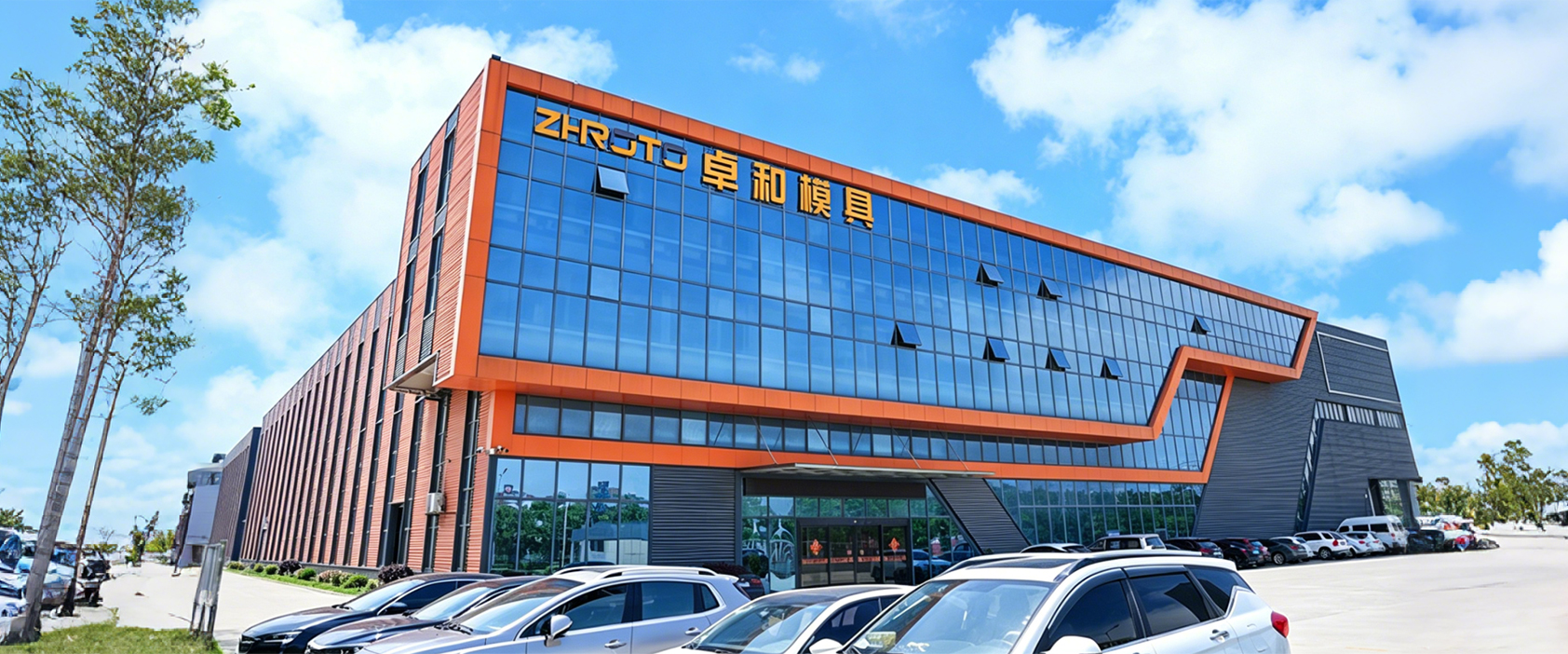
Since 2015, Jiangsu Zhroto Mould Co., Ltd. has specialized in rotational molding molds and integrated technical solutions. Its manufacturing capabilities include large-scale mold machining, complex curved-surface processing, rapid prototyping, trial validation, and finished-product support. These capabilities are particularly relevant to plastic machine housing production, where the tooling must balance structural requirements with visual and assembly considerations. The company also supports both conventional gas-heated and electric-heated rotational molding systems, giving customers greater flexibility when selecting production processes.
Integrated Commercial Scrubber Components
A third category covers integrated commercial scrubber components in which several molded parts must function together as a coordinated system. This may include tank structures, control covers, protective panels, and other large hollow parts used in commercial floor cleaning equipment. The primary challenge is maintaining consistency across different molds and production runs. A floor washing machine mold must therefore be considered not only as an individual tool but also as part of a wider component manufacturing strategy.
In this category, commercial scrubber dryer tooling must support customized dimensions without sacrificing repeatability. Different machine models may require different tank capacities, control layouts, or protective structures. Rotational molding is well suited to such requirements because tooling can support relatively flexible product configurations while retaining the benefits of seamless hollow construction. The key is to establish consistent engineering standards for mold design, material recommendations, processing trials, and quality inspection.
Another important issue is coordination between product design and tooling design. A product concept may look suitable in a digital model but become difficult to manufacture if wall transitions, draft considerations, openings, or mounting points are poorly positioned. Professional mold development should therefore begin with application analysis and design optimization rather than immediately proceeding to machining. Industrial cleaning tank molding and housing production can then be developed within the same engineering framework, reducing avoidable modifications during later production stages.
- Review the intended application, dimensions, structure, and production requirements.
- Optimize the product design for rotational molding performance and manufacturability.
- Develop detailed three-dimensional engineering models and confirm the tooling concept.
- Manufacture the mold using appropriate machining and production technologies.
- Conduct mold trials, inspect samples, validate dimensions, and provide production support.
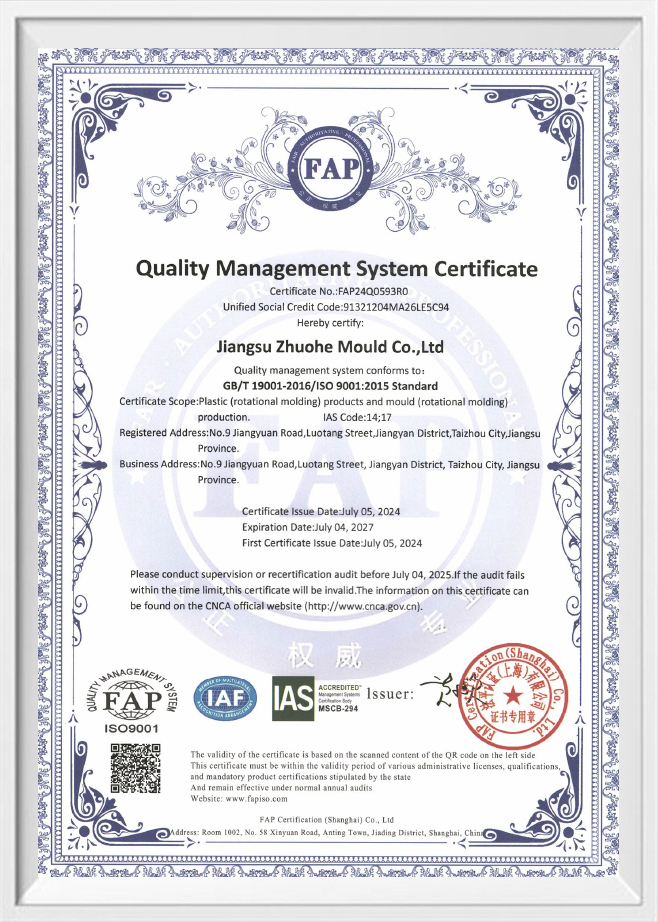
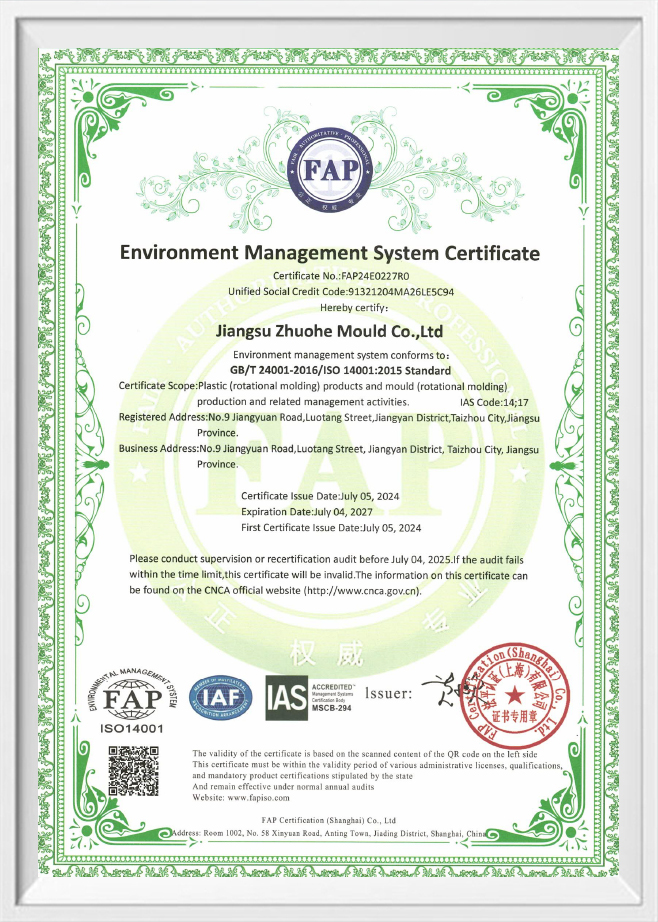
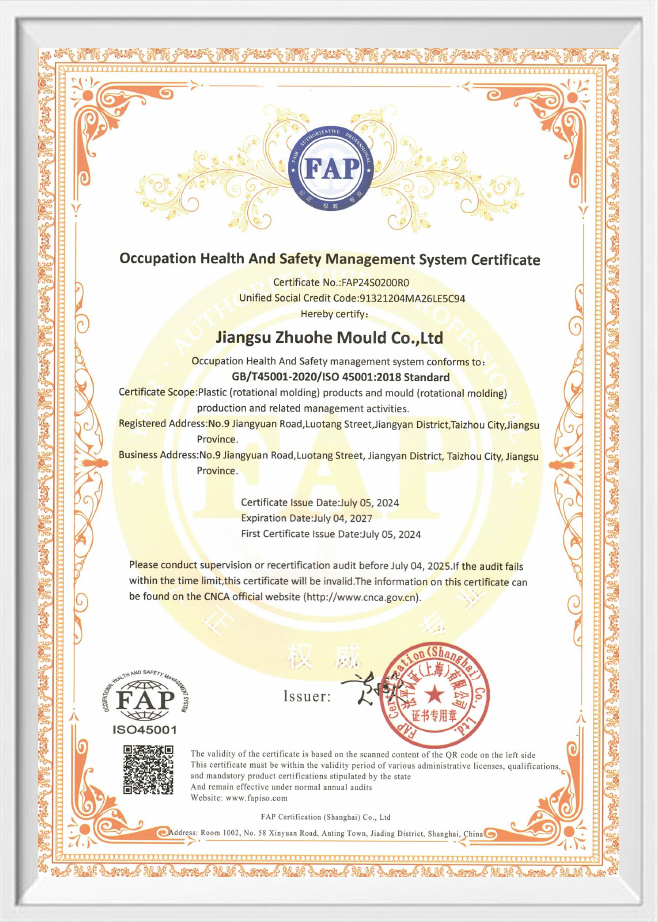
Jiangsu Zhroto Mould Co., Ltd. has an 18,000-square-meter facility with more than 12,000 square meters of standardized production workshops and an annual output exceeding 800 mold sets. Its ISO 9001:2015, ISO 14001:2015, and ISO 45001:2015 certifications support a structured approach to quality, environmental management, and occupational safety. For customers requiring plastic machine housing production alongside tanks and other molded components, this integrated capability can simplify project coordination and improve production consistency.
Thermal and Manufacturing Challenges
Thermal control is another major challenge in rotational molding. Mold geometry, material selection, heating conditions, and cooling behavior all influence the final part. This is especially important for large tanks because uneven processing can affect dimensional stability and surface quality. Industrial cleaning tank molding therefore requires tooling that supports predictable heat transfer and reliable production cycles.
Electric-heated rotational molding introduces additional opportunities and requirements. Since 2023, ZHROTO has invested in electric-heated rotational molding technology, which provides more precise temperature control and independent heating zones. Such capabilities can be valuable for complex floor-cleaning components where different regions of a mold have different thermal requirements. Compared with conventional gas-heated systems, electric heating can provide improved process management, while the mold itself must be engineered with appropriate thermal conductivity and structural performance.
For commercial scrubber dryer tooling, thermal considerations should be addressed during the engineering stage rather than treated only as a production adjustment. Proper testing can reveal issues related to part distortion, incomplete material coverage, surface variation, or difficult demolding. The objective is to create tooling that supports stable processing across repeated production cycles rather than solving individual defects after mass production begins.
Quality Control and Long-Term Tooling Reliability
Quality control extends beyond checking the finished mold dimensions. A reliable floor washing machine mold should be evaluated for structural integrity, surface condition, dimensional accuracy, manufacturability, and compatibility with the intended rotational molding equipment. Trial runs and sample validation are particularly important for large hollow components because actual processing can reveal issues that are not obvious during design review.
Long-term reliability also depends on appropriate maintenance. Regular inspection of mold surfaces, connection areas, openings, and critical structural features can help identify wear before it affects production. For plastic machine housing production, maintaining surface quality and dimensional stability is especially important when the same tooling is expected to support long-term OEM or replacement-part programs.
The broader objective is to establish a complete development workflow from consultation and product optimization through CAD modeling, mold manufacturing, testing, acceptance, technical support, and maintenance advice. This approach allows industrial cleaning tank molding projects to be managed as engineering programs rather than isolated tooling purchases.
Frequently Asked Questions
Q1: What are the main challenges in floor washing machine mold manufacturing?
The main challenges include maintaining dimensional stability, achieving consistent material distribution, managing thermal behavior, designing effective demolding features, and ensuring reliable interfaces between tanks, housings, and other machine components. Large hollow structures require particularly careful tooling engineering.
Q2: Why is rotational molding suitable for commercial scrubber components?
Rotational molding can produce large seamless hollow components with integrated curves and relatively complex geometries. It is suitable for tanks, housings, covers, and protective enclosures where reduced weight, structural continuity, and customized configurations are important.
Q3: How does commercial scrubber dryer tooling support customized equipment?
The tooling can be developed around different tank geometries, housing dimensions, control layouts, and mounting requirements. A structured process involving product optimization, three-dimensional modeling, mold confirmation, CNC manufacturing, trial testing, and inspection helps maintain consistency across customized production runs.
Q4: What services can Jiangsu Zhroto Mould Co., Ltd. provide?
The company provides rotational molding mold design, engineering development, CNC manufacturing, mold testing, sample validation, quality inspection, delivery support, production guidance, and maintenance advice. Its capabilities cover both conventional gas-heated and electric-heated rotational molding applications.
Q5: What should manufacturers consider before developing plastic machine housings?
Manufacturers should evaluate product geometry, assembly interfaces, wall transitions, openings, surface requirements, demolding conditions, material selection, and intended production volume before tooling begins. Early design optimization can reduce later mold modifications and improve production stability.
Q6: Can the same engineering approach be used for tanks and housings?
Yes, although their priorities differ. Tanks emphasize sealing, structural continuity, and dimensional stability, while housings place greater emphasis on appearance, assembly accuracy, and protection. An integrated engineering workflow can address these differences while maintaining consistent tooling standards across a complete floor-cleaning equipment product range.
 +86-18006248936
  ricky.t@zhroto.com
  No.9 Jiangyuan Road, Luotang Street, Jiangyan District, Taizhou City,Jiangsu Province, China